

A solar system can look perfectly normal from the ground while its inverter is quietly reducing production or disconnecting from the grid. Knowing the best signs your inverter is failing helps you act before a minor fault turns into weeks or months of lost generation, an unexpected repair bill, or a compliance issue.
The inverter is the working centre of a rooftop solar system. It converts the direct current produced by your panels into usable alternating current for your home and the grid. When it is not operating properly, even clean, undamaged panels cannot deliver their expected return.
Best signs your inverter is failing
1. Your solar production has dropped sharply
A noticeable production drop is often the first sign homeowners see. Check the inverter display, monitoring app, or electricity bill against similar sunny periods in previous years. If output is consistently well below normal and there has been no major change in shading, panel orientation, or household setup, the inverter needs attention.
One cloudy day is not a diagnosis. Canberra weather, smoke haze, dirt on panels and seasonal sun angles all affect generation. The concern is a sustained or sudden fall in output during clear conditions. A qualified inspection can determine whether the cause is the inverter, panels, cabling, isolators or another part of the system.
2. The inverter display shows a fault code or red light
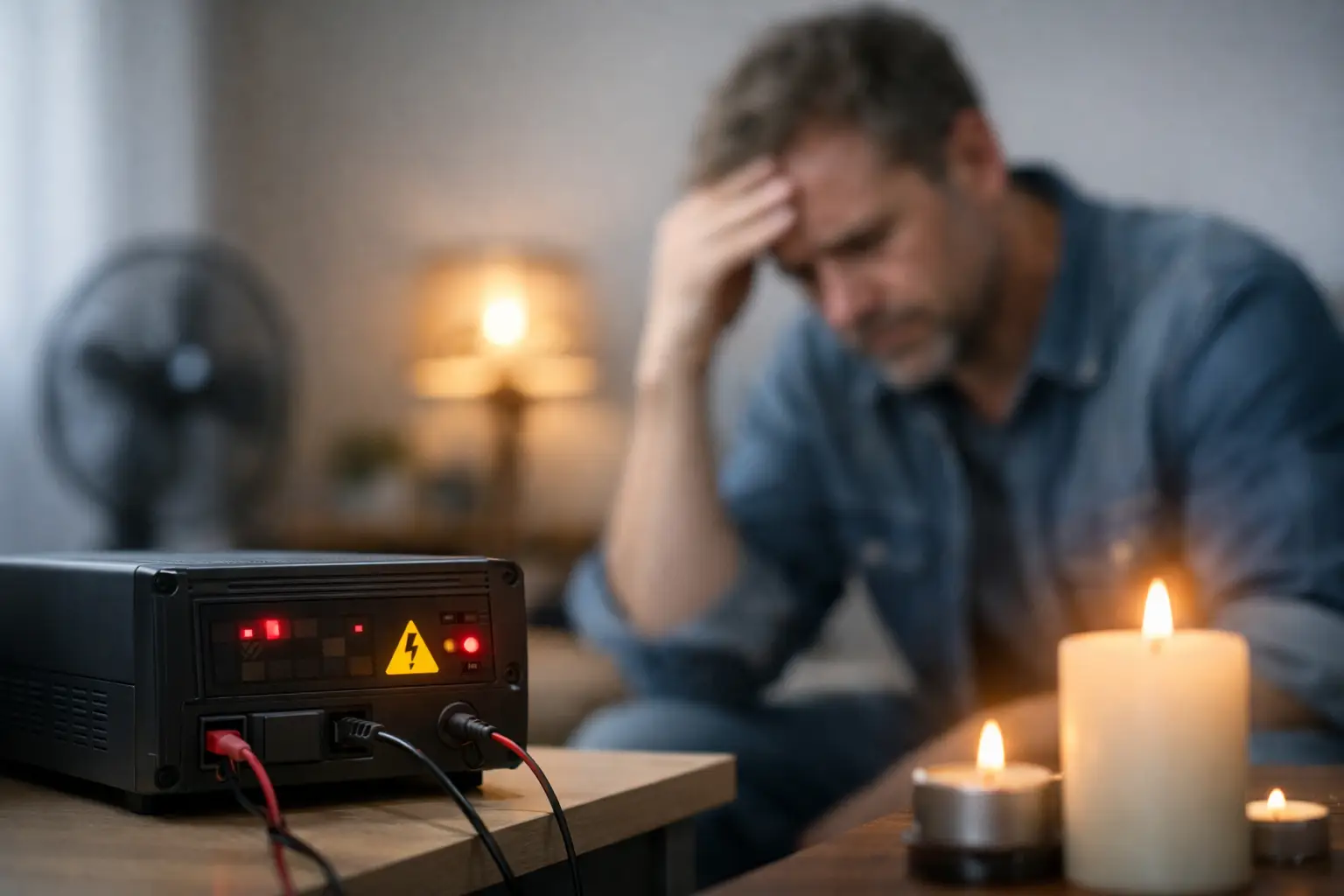
Most inverters use indicator lights and screen messages to report their operating status. A green light generally indicates normal operation, while a red light, warning symbol or repeated error code points to a problem that should be investigated.
Some messages relate to grid voltage or frequency rather than a failed inverter. Others may indicate insulation faults, internal hardware problems, DC input issues or communication errors. Take a photo of the display and note the time and weather conditions. That information gives the electrician a useful starting point.
Do not reset the inverter repeatedly to clear a fault. A restart may temporarily restore operation, but it can also hide an intermittent issue that needs proper fault finding.
3. It shuts down during the middle of a sunny day
An inverter normally starts after adequate sunlight is available and stops after solar production falls late in the day. Switching off or disconnecting repeatedly in the middle of a clear day is not normal.
This behaviour can be caused by overheating, an unstable grid connection, voltage outside permitted limits, internal component failure or a problem on the DC side of the system. The inverter may reconnect on its own, so the issue can be easy to miss unless you review monitoring data or notice intermittent alerts.
Frequent shutdowns matter because every disconnection means lost solar generation. They can also indicate a fault that is placing extra stress on electrical components.
4. The inverter is unusually hot or its fan is noisy
Inverters generate heat while converting power, so warmth is expected. Excessive heat is different. If the casing is too hot to comfortably touch, the inverter is located in direct afternoon sun, or the cooling fan runs loudly for long periods, it may be struggling to manage temperature.
Dust, insects, blocked ventilation, failed fans and age-related internal wear can all contribute. Heat can cause an inverter to reduce output or shut down to protect itself. This is particularly relevant for older systems installed in garages, utility areas or external walls with poor airflow.
Keep the surrounding area clear, but do not open the inverter enclosure or attempt internal cleaning. It contains live electrical equipment and must be assessed by a licensed electrician.
5. You can see moisture, corrosion or physical damage
Water ingress is a serious warning sign. Look for condensation behind the display, staining around the enclosure, rusted fixings, cracked seals, brittle conduit or corrosion at visible connections. Storms, driving rain, failed seals and ageing outdoor equipment can all allow moisture into places it should not be.
Hail damage should also be taken seriously, even if the inverter itself appears unaffected. Impact damage to panels, cable supports or rooftop equipment can create faults that only become apparent later. After a significant storm, a system health check provides a clearer picture than relying on production figures alone.
If there is burning smell, smoke, scorching, buzzing, arcing sounds or obvious damage, keep clear of the equipment and arrange urgent electrical assistance. Do not operate switches if there is any sign of heat damage or water around the electrical equipment.
6. Your monitoring app has stopped reporting
A blank monitoring app does not automatically mean the inverter has failed. Wi-Fi changes, modem replacement, poor signal and internet outages commonly interrupt reporting while the solar system continues producing normally.
However, a communication issue can also accompany an inverter fault, particularly if the display is off, warnings are present, or production data has stopped at the same time. Check whether the inverter itself shows normal operation before assuming it is just a Wi-Fi problem.
Monitoring is useful because it reveals patterns you may not notice from your bill. Repeated midday dropouts, one low-performing string of panels, or a gradual fall in output can help identify the right area for testing.
7. The inverter is making new or unusual noises
A low hum, a click at start-up, or occasional fan noise can be normal depending on the inverter model. New rattling, grinding, persistent clicking, high-pitched whining or buzzing is worth checking.
Noise may come from a cooling fan, relay, loose component or another electrical issue. It does not always mean the inverter is about to fail, but it should not be ignored, particularly when it occurs alongside lower output, errors or shutdowns.
Make a note of when the noise occurs. For example, only during high solar production, after rain, or when the system reconnects to the grid. These details help separate normal operating sounds from a developing fault.
8. The system is older and faults are becoming more frequent
Age alone is not proof that an inverter needs replacement. Many systems continue operating well beyond their original warranty period when they have been installed correctly and maintained. But an older inverter with recurring faults, declining output and repeated resets may no longer be the most economical option to keep repairing.
The right decision depends on the fault, available parts, warranty position, system size and the condition of the panels and wiring. A repair can be sensible where the issue is isolated. Replacement may offer better value where internal failures are recurring or the existing equipment no longer meets the practical needs of the system.
Why inverter faults need more than a quick reset
An inverter can report a grid-related fault even though the underlying issue sits elsewhere in the installation. Damaged DC cables, faulty isolators, degraded panel connections, water ingress and insulation resistance problems can all affect safe operation. That is why a proper assessment should look beyond the inverter screen.
For ACT solar owners who have received an Evoenergy notification, anti-islanding testing is another essential part of the picture. This test confirms the inverter disconnects correctly when the grid supply fails. It is a grid safety requirement, not simply a performance check, and should be completed by a suitably qualified electrician using the correct test process.
A full system health check can assess production performance, visible weather damage, electrical connections, isolators, inverter operation and compliance-related concerns. It gives you evidence for a repair decision rather than relying on a fault code alone.
What to do when you spot a warning sign
Start by recording what you can safely see: the fault code, indicator light colour, time of day, weather conditions and any change in output. Check your monitoring history if it is available. Avoid removing covers, touching wiring, or trying to diagnose components on the roof.
If the inverter is repeatedly disconnecting, has visible damage, or displays a persistent error, arrange an electrician-led solar inspection. For systems affected by hail, water ingress or age-related wear, early testing can prevent a manageable repair becoming a larger fault.
Your solar system is an investment that should keep earning its place on the roof. A clear diagnosis lets you decide whether the answer is a simple correction, targeted repair or planned replacement – and gets your system back to producing with confidence.
Leave a Reply