

A solar system can look perfectly normal from the ground while losing production through a failing isolator, damaged cable, moisture ingress or an inverter fault. This guide to rooftop solar inspections explains what a proper inspection should involve, when to arrange one and why electrician-led testing is a sensible way to protect the return on your solar investment.
For ACT solar owners, inspections are not simply about keeping panels clean. They are about confirming that the entire system – panels, mounting, cabling, isolators, inverter and grid connection – is safe, compliant and producing as it should.
What a rooftop solar inspection actually checks
A worthwhile inspection looks beyond the panels. While panels are visible and often receive the most attention, the inverter and electrical components do much of the work that determines whether your system is operating safely and exporting power correctly.
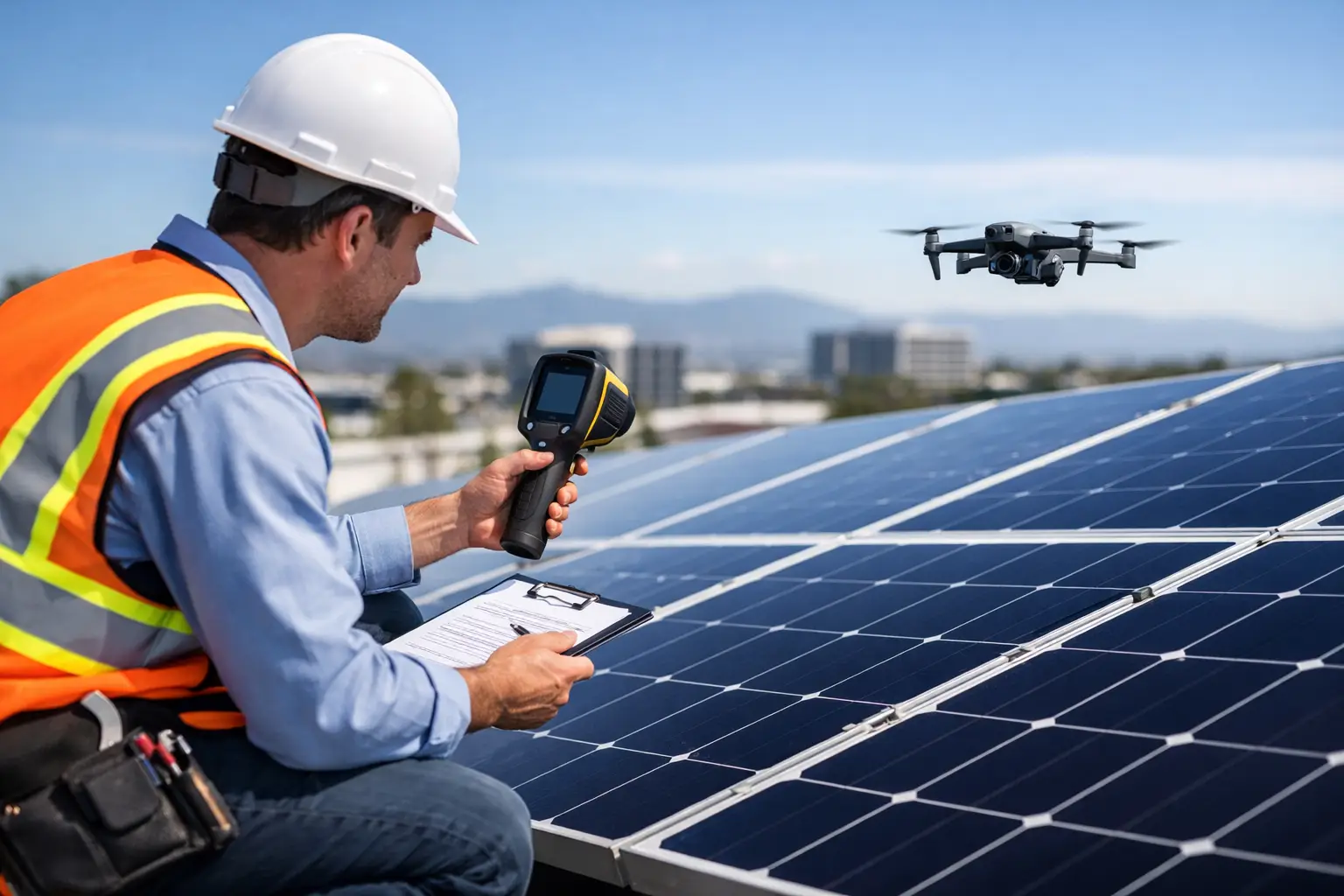
A qualified solar inspection begins with a visual assessment of the installation. This includes the panel array, mounting hardware, roof penetrations where accessible, cable runs, conduits, warning labels and electrical enclosures. The aim is to identify signs of physical damage, deterioration, poor support or exposure to weather before these issues become a shutdown, safety concern or costly repair.
The electrician should then assess the inverter and associated protection equipment. Inverters record faults and operating data that can reveal intermittent issues even when the system appears to be generating. Error history, output behaviour, ventilation, display readings and connections all help build a clear picture of system health.
Electrical testing is the part that cannot be replaced by a quick visual check. Depending on the system and scope of work, this may include testing isolation devices, checking cabling and connections, confirming protective equipment is operating correctly, and assessing inverter performance. Required anti-islanding testing is also a separate compliance matter for relevant systems. It confirms the inverter disconnects from the grid appropriately during an outage, helping protect network workers and the wider electricity network.
Why solar inspections matter after installation
Most rooftop systems spend years exposed to Canberra heat, frost, wind, rain and occasional hail. Panels are built for outdoor conditions, but the system is not immune to age, weather and electrical wear. A small issue left unchecked can gradually reduce generation or create a more serious fault.
Water ingress is a good example. Moisture can affect enclosures, isolators, connectors or cable pathways. Early signs may be minor discolouration, corrosion, brittle seals or inconsistent inverter operation. Left alone, moisture can damage electrical components and may lead to a system shutdown.
Hail and storm damage also deserve a closer look. Not all panel damage is obvious from ground level, and the effect of impact can vary. A visual inspection can identify clear cracks, damaged frames or shifted mounting components, while performance checks help determine whether the system is still operating as expected. Where there is suspected storm damage, a documented inspection can also be useful when discussing the issue with an insurer.
Older systems may have ageing DC isolators, degraded labels, fatigued cabling or components that no longer perform as reliably as they once did. This does not automatically mean the whole system needs replacing. Often, targeted repairs or planned component replacement can restore safety and performance at a far lower cost than waiting for a major failure.
When to book a solar inspection
There is no single timetable that suits every installation. System age, equipment type, location, roof access, previous faults and local weather exposure all matter. However, there are clear situations where an inspection should move up the priority list.
Book a qualified inspection if your inverter is showing faults, generation has dropped without an obvious seasonal reason, the system is frequently switching off, or monitoring data looks inconsistent. A sudden reduction in output may be caused by shading or dirty panels, but it can also point to a string fault, inverter problem or connection issue. The cause needs to be tested rather than guessed.
Arrange an inspection after significant hail, severe wind, a roof repair or water damage near solar equipment. Roof work can disturb cable runs, mounting points or conduit, while storm damage can affect components that are not visible from the ground.
You should also act promptly if you receive a notification for anti-islanding inverter testing. This is a grid compliance requirement, not an optional performance check. Completing the test through a qualified provider helps ensure your inverter meets its required disconnection function and avoids leaving a compliance task unresolved.
For systems that are several years old, periodic health checks are practical preventative maintenance. The right interval depends on condition and usage, but regular inspections provide a baseline. Once you know what normal performance and equipment condition look like, it is easier to spot change early.
What homeowners can check safely
Homeowners can keep an eye on a few visible signs without climbing onto the roof or opening electrical equipment. Check the inverter display or monitoring app for alerts, error messages and unusual production patterns. Notice whether the inverter is regularly offline during daylight hours, or whether output has changed sharply compared with similar weather conditions in prior years.
From ground level, look for obvious panel damage, loose-looking components, fallen branches or new shading from tree growth. After a storm, check for visible debris and take photos if you can do so safely.
Do not open isolators, remove covers, touch solar cabling or attempt electrical repairs. Solar panels can produce DC electricity whenever they are exposed to light, and rooftop work carries its own fall risks. A system that has stopped generating is not necessarily safe to investigate without the right training and test equipment.
What to expect from an electrician-led inspection
A professional inspection should give you more than a verbal reassurance that the panels look fine. You should receive clear findings that separate immediate safety concerns from maintenance items and longer-term recommendations.
The process generally starts with information about the system: its age, inverter model, any monitoring access, recent fault messages, previous repairs and the reason for the visit. This context helps the electrician test efficiently. If the issue is reduced production, for example, the inspection can compare inverter behaviour, fault history and visible equipment condition rather than treating every system exactly the same.
On site, the electrician will assess accessible rooftop and electrical components, perform the relevant tests, and check the inverter’s operation. If a fault is identified, the next step may be a repair, further diagnostics, replacement of a failed component or a repair plan with clear priorities. The appropriate outcome depends on what has failed, the condition of related components and whether parts are still supported.
A good provider will explain the practical impact of the findings. A faded label may be a maintenance item. A deteriorated isolator or damaged cable may require urgent action. A panel issue may warrant monitoring, targeted testing or replacement depending on the damage and production effect. Clear recommendations help you make a sound decision without spending on work that does not address the actual problem.
Common problems inspections uncover
The faults found on rooftop systems are often ordinary wear-and-tear issues rather than dramatic failures. Their value lies in being identified before they interrupt production or become more expensive.
Common findings include:
- cracked panels, damaged frames or storm-related impact marks;
- loose, exposed or deteriorated cabling and conduit;
- water ingress, corrosion or heat damage in isolators and electrical enclosures;
- inverter error codes, failed internal components or poor ventilation; and
- performance loss caused by string faults, connection problems, shading changes or panel degradation.
Not every finding requires immediate replacement. For example, a system with mild performance decline may need monitoring data reviewed before a repair decision is made. Conversely, damaged electrical equipment should not be deferred simply because the inverter is still producing power. Safety and compliance come first.
Inspection, cleaning and monitoring are different jobs
Panel cleaning, monitoring and inspection all have a place, but they solve different problems. Cleaning may improve output where there is heavy dust, bird droppings or grime. Monitoring can alert you to a production change. Neither confirms that isolators, wiring, inverter protection and grid-disconnection functions are in sound condition.
Likewise, a clean system can still have an electrical fault, and a monitoring app can miss an issue if the system continues producing at a reduced level. An inspection brings physical condition and electrical testing together, giving you a more reliable basis for maintenance decisions.
If your system has been exposed to hail, is showing faults, has reached an age where components may be deteriorating, or has received an anti-islanding test notification, do not wait for a complete shutdown. A focused inspection can identify what needs attention now and what can be planned, helping keep your solar system safe, compliant and earning its place on the roof.
Leave a Reply