

A solar system can still look perfectly normal from the ground while quietly losing production. A tripped string, failing isolator, moisture in a connector or inverter fault can reduce your return for weeks before it becomes obvious on an app or electricity bill. Professional solar testing gives you a clear picture of what the system is producing, whether it is safe to operate, and what needs attention now rather than later.
For Canberra and ACT solar owners, this is particularly relevant after hail, heavy rain, high winds or years of exposure to sharp temperature changes. Solar is a long-term investment. Looking after the equipment behind the panels is how you protect that investment.
What solar testing checks
Solar testing is not simply a quick look at the panels or a confirmation that the inverter screen is on. A proper inspection considers the system as a working electrical installation: panels, mounting equipment, DC cabling, isolators, inverter, AC protection and grid connection all need to perform together.
The exact scope depends on the system, its age, its condition and the reason for the visit. A system responding to an anti-islanding notification needs specific compliance testing. A system with poor output needs targeted fault finding. A system that has been through a storm may need a detailed condition assessment before a repair plan can be made.
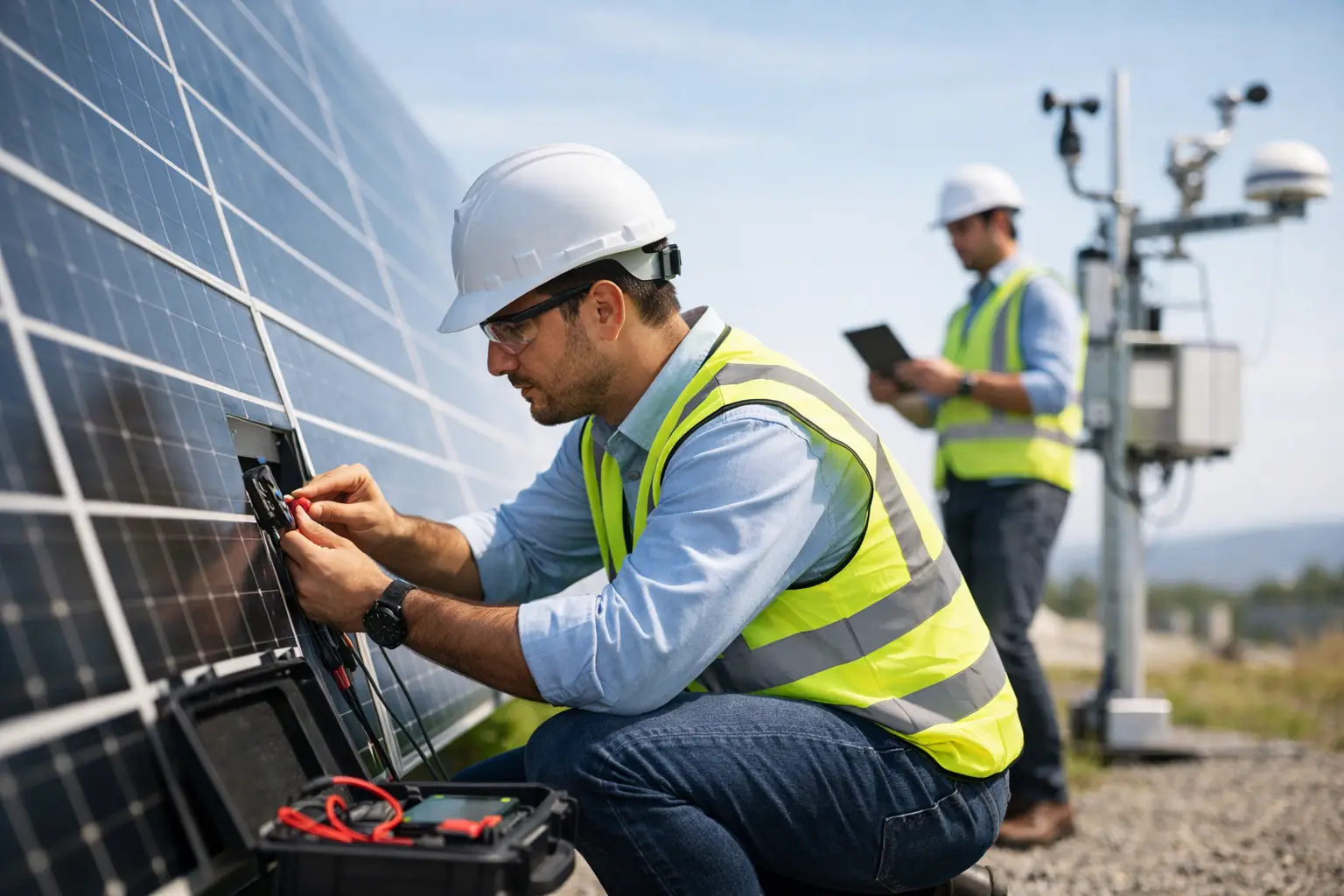
A qualified electrician-led assessment commonly includes visual checks of accessible equipment, inverter operation, isolator condition, cabling and connections, and signs of water ingress, heat damage, corrosion or pest damage. Electrical measurements and inverter diagnostics help identify faults that cannot be seen from the ground.
This approach matters because solar faults are often progressive. A cracked enclosure seal may allow moisture in over time. A deteriorating connector may create resistance and heat. An old isolator can become unreliable before it fails completely. Finding these issues early is generally safer and less costly than waiting for an outage.
Anti-islanding testing and grid compliance
If you have received a notification requiring anti-islanding testing, it should not be put in the too-hard basket. Anti-islanding protection is a safety function within the inverter. It is designed to stop the inverter from supplying power to the grid when the network supply has failed.
That protection helps prevent solar generation from energising lines while network workers are carrying out repairs. The test verifies that the inverter responds as required under the applicable network and compliance arrangements.
The process is specific to the inverter and installation. It is not something to test by switching equipment off at random or relying on a monitoring app. The right equipment, method and documentation are required. If the system does not pass, the next step is to identify whether the cause is a settings issue, inverter issue, wiring concern or another fault affecting operation.
For owners, the practical benefit is straightforward: testing addresses a required safety function and provides evidence that the work has been carried out properly. It also creates an opportunity to identify other concerns at the same visit, particularly on older systems.
Signs your system needs testing sooner
Not every solar system needs urgent attention, but several warning signs justify a professional check. The most obvious is a noticeable drop in generation compared with the same season in previous years, allowing for weather differences and household changes. Repeated inverter warnings, shutdowns or fault codes also need investigation rather than repeated resets.
Physical warning signs include cracked or discoloured isolator covers, damaged conduit, exposed cable, water marks around electrical equipment, corrosion, loose panel clamps or obvious damage after hail. You may also notice that the inverter is silent or showing a red light during good daylight hours.
Some problems are less visible. A system may appear to generate normally while one panel string is underperforming. Monitoring can be useful, but it is not a substitute for hands-on testing. Apps report what the system is measuring; they do not inspect cable condition, confirm weatherproofing or test every protective function.
If your system is more than a few years old and has not been professionally inspected, a health check is sensible even when output looks acceptable. Age alone does not mean a system is unsafe, but seals, switches, enclosures and connections experience heat, UV exposure and weather over time.
A full system health check is about more than output
The best solar maintenance decisions are based on evidence, not guesswork. A health check should explain the condition of the system in plain language and distinguish between urgent repairs, worthwhile preventative work and items that can simply be monitored.
For example, panel soiling can reduce output, but cleaning is not automatically the answer. Canberra rain often removes ordinary dust, while hard-to-reach roofs and fragile surfaces create safety risks. If generation is down, the cause could instead be shading, a string fault, inverter clipping, a failed component or changed monitoring settings. Testing helps avoid paying for work that does not address the actual issue.
Likewise, a damaged panel does not always mean the entire array requires replacement. The severity and location of the damage, electrical test results, safety risk, warranty position and availability of compatible equipment all affect the repair plan. Hail damage, microcracks and moisture ingress require careful assessment because the visible mark may not tell the full story.
A useful report should set out what was inspected, what was found and what action is recommended. Clear priorities allow you to plan costs properly, particularly where a repair can be scheduled before a small issue develops into a larger outage.
Common faults found during solar inspections
Solar systems have no moving parts on the roof, but they are not maintenance-free. The components most exposed to failure are often the electrical parts that manage DC power and protect the installation from weather.
Common findings include worn or heat-affected isolators, degraded cable insulation, poor or damaged conduit, loose connections, pest damage and water ingress into enclosures. Inverters can also develop faults as they age, especially where ventilation is restricted or the unit has experienced repeated heat stress.
Panel-related issues can include cracked glass, damaged backsheets, failed junction boxes, loose mounting hardware and degradation that affects electrical performance. Tree growth can introduce new shading that was not present when the system was installed. Even a small amount of shading in the wrong place can have an outsized effect, depending on the system design and inverter setup.
The right response depends on risk. Damaged electrical enclosures, exposed wiring and signs of overheating need prompt attention. A minor performance concern may call for further monitoring and comparison before a repair is approved. Good advice should be specific about that difference.
What to expect from a solar testing visit
Before the appointment, it helps to have any inverter notifications, monitoring screenshots and details of recent storm or hail damage available. If you know when the system was installed, the inverter make and model, and whether work has been done previously, that information can speed up diagnosis.
On site, the electrician should safely assess accessible system components and review inverter information before carrying out the required tests. Roof access may be needed where it is safe and appropriate. Some faults can be confirmed quickly; others require a staged investigation, particularly on multi-inverter systems or installations with intermittent faults.
After testing, you should receive a practical explanation of the outcome. If repairs are recommended, ask what has failed, why it matters, whether the system can remain in service safely, and whether the proposed work is urgent or preventative. This is also the point to discuss likely parts availability and compatibility, which can be relevant for older equipment.
Solar Testing and Maintenance takes this electrician-led approach because vague advice does not help an owner make a sound decision. The aim is to give you a clear condition assessment, complete the required testing properly and provide a repair path that matches the actual condition of your system.
Protect the return you already paid for
Solar maintenance is not about finding work where none is needed. It is about making sure the system on your roof continues to generate safely, meets its required protections and is not losing value through an avoidable fault.
If you have received an anti-islanding test notice, noticed reduced production, or are concerned after hail or heavy weather, arrange solar testing before the next issue turns into lost generation or a more involved repair. A clear diagnosis gives you the information to act with confidence.
Leave a Reply