

A solar system that has stopped producing is not always a major failure, but every day offline can reduce the return on your investment. The top causes of solar shutdowns range from normal grid protection events to faults caused by weather, ageing components and water ingress. The key is knowing what you can safely check and when the system needs electrician-led testing.
A shutdown may be obvious, with the inverter display showing a fault code or no lights at all. In other cases, the inverter is still powered but production has fallen to zero or well below normal levels. Checking your monitoring app is useful, but it does not replace an on-site inspection when a fault persists.
Grid outages and voltage problems
Your inverter is designed to disconnect from the grid during a power outage. This is called anti-islanding protection. It prevents your solar system from sending electricity back into grid lines while crews may be working on them.
If there has been a local outage, your system should normally restart automatically after mains power is restored and the inverter completes its safety checks. A short delay is normal. If it does not restart after daylight has returned and power is stable, there may be a stored inverter fault, an isolator issue or a grid connection problem that needs investigation.
High grid voltage can also cause repeated shutdowns, particularly in areas with a high concentration of rooftop solar. When voltage rises outside the inverter’s permitted operating range, the inverter disconnects to protect the network. This can look like an intermittent fault, with generation returning later in the day before dropping out again.
Voltage issues need proper testing rather than guesswork. An electrician can review inverter event logs, measure supply conditions and determine whether the problem is within the solar installation, the switchboard or the local network supply.
Inverter faults and failed components
The inverter is the working centre of a grid-connected solar system. It converts DC power from the panels into usable AC power for the property and grid. Like any electronic equipment exposed to heat, changing temperatures and electrical load, it can develop faults over time.
Common warning signs include error messages, warning lights, repeated restarts, unusual fan noise, a blank display or no production despite clear weather. Some faults are temporary and clear after the inverter has checked stable grid conditions. Others indicate internal component failure, overheating, communication errors or an insulation fault on the DC side.
Do not repeatedly switch an inverter off and on in an attempt to force it back into service. A restart may clear a minor communications issue, but it can also hide a recurring fault that should be recorded and assessed. Note the error code, take a photo of the display if safe to do so, and arrange an inspection if the fault remains.
Heat and poor ventilation
Canberra summers can place considerable heat stress on inverters installed in enclosed garages, direct afternoon sun or poorly ventilated locations. Most units reduce output before they shut down completely, but sustained overheating can lead to nuisance trips and shorten component life.
Keep the area around the inverter clear and ensure vents are not blocked by stored items, dust or cobwebs. Any electrical enclosure should only be opened by a licensed electrician.
Top causes of solar shutdowns after storms
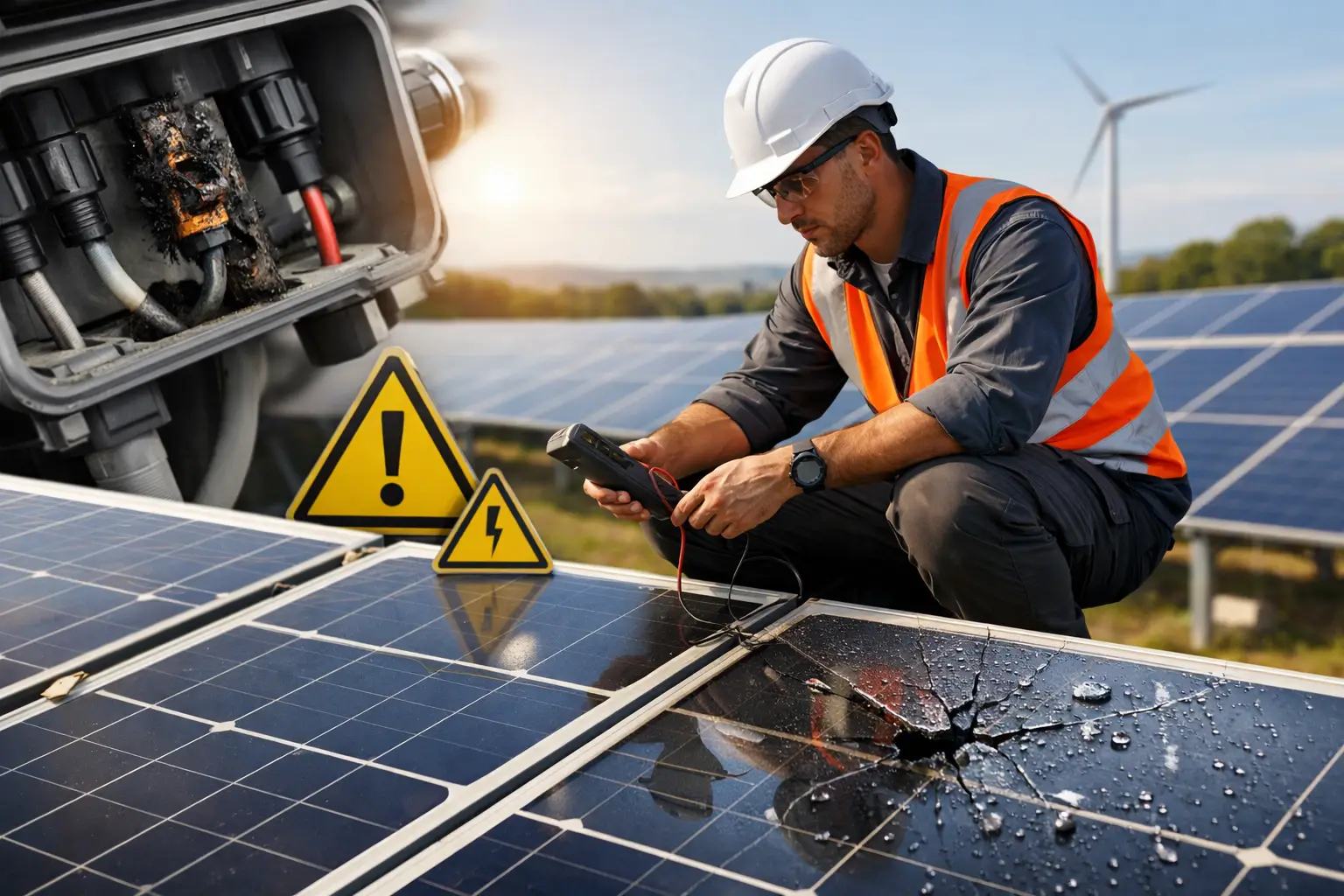
Storms are one of the most common triggers for a system that suddenly stops working. Hail can crack panels, damage frames or create less obvious cell damage that affects output over time. Strong wind can loosen mounting components or disturb cabling. Heavy rain can expose failed seals, degraded glands and damaged enclosures.
Water ingress is particularly serious around rooftop isolators, cable entries, junction boxes and inverter enclosures. Moisture can cause corrosion, insulation faults and electrical arcing. In some cases, protective devices trip as intended. In others, the system continues operating at reduced performance until damage becomes more extensive.
After hail, heavy rain or severe wind, look from the ground for visibly damaged panels, loose components or debris under the array. Do not climb onto the roof, remove covers or touch damaged solar equipment. Even when an inverter is off, solar panels can produce DC voltage whenever they are exposed to light.
An inspection can identify cracked modules, damaged connectors, compromised isolators and signs of moisture before a small issue becomes a costly repair. This is also useful documentation where an insurance claim may be required.
DC isolators, cabling and connection faults
Solar systems rely on a network of cables, connectors, isolators and protective devices. These components are often exposed to UV, heat, moisture and movement over many years. A single poor connection can interrupt generation or create a safety concern.
Older rooftop DC isolators deserve particular attention. Heat cycling and weather exposure can degrade seals and internal contacts. A failed isolator may prevent the inverter from seeing the solar array, cause an intermittent shutdown or show signs of heat damage. It should not be operated if there is cracking, discolouration, water damage or a burning smell.
Damaged cable insulation, loose connectors and rodent activity can also cause earth faults or reduced generation. These issues are not always visible from ground level. Electrical testing, visual inspection and inverter fault data are used together to locate the source safely.
Tripped breakers and switchboard issues
A tripped breaker or residual current device can shut down the solar inverter, but the reason for the trip matters. Resetting a protective device without finding the cause can lead to repeated outages and may create a safety risk.
The fault may be related to the inverter, AC cabling, moisture, a switchboard connection or another circuit in the property. If a breaker will not remain on, trips repeatedly, or there are signs of heat or damage at the switchboard, leave it off and arrange a licensed electrician.
Systems installed years ago may also need assessment if the switchboard has been altered, new electrical loads have been added or an older inverter is being replaced. Solar compliance is not simply about whether panels are producing. The full installation must operate safely with the property electrical system and the grid connection.
Mandatory anti-islanding testing and compliance
Some ACT solar owners receive notices requiring anti-islanding inverter testing. This test confirms that the inverter disconnects correctly from the grid under the required conditions. It is a practical safety requirement, not just an administrative task.
A system can appear to be generating normally and still fail a compliance test. Testing provides an opportunity to check inverter operation, shutdown response, fault history and visible condition of key solar components. If a problem is found, the owner receives clear information to plan the necessary repair rather than waiting for an unplanned failure.
For multi-inverter properties, each inverter needs to be considered. One unit may be operating while another has dropped out, leaving the property with lower generation than expected and an easy-to-miss loss in savings.
What to do when your solar system shuts down
Start with the safe checks: confirm whether there has been a local power outage, look at the inverter screen or monitoring app, and note any fault code, date and time. Check from a safe distance for storm damage, water around equipment or obvious signs of heat damage.
Avoid opening electrical covers, accessing roof equipment or repeatedly resetting isolators and breakers. These actions can expose you to DC and AC electrical hazards and may worsen an existing fault.
If the inverter remains offline after stable grid power has returned, or if the shutdown follows a storm, burning smell, water ingress or repeated tripping, book a qualified solar electrician. A proper visit should include more than clearing a code. It should identify why the shutdown occurred and whether the system is safe to return to service.
Solar Testing and Maintenance provides electrician-led inspections, anti-islanding testing and fault finding for existing systems across the ACT. The practical value is simple: find the issue, confirm compliance and give the system the best chance of returning to safe, reliable generation.
A solar shutdown is often the first visible sign of a problem, not the problem itself. Addressing it early protects your equipment, avoids unnecessary lost generation and gives you a clearer picture of the condition of your investment.
Leave a Reply