


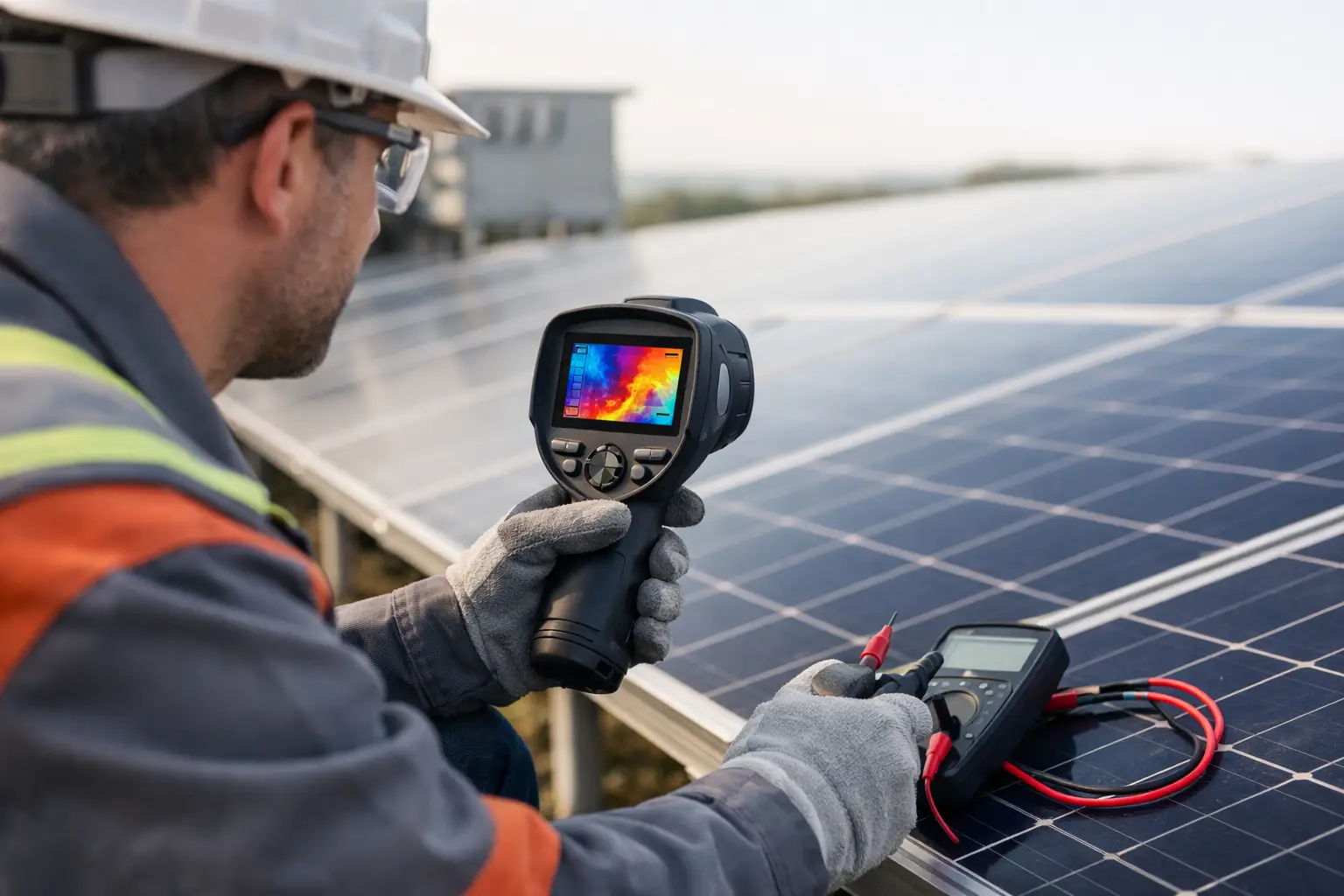
A solar system can appear to be working normally while an insulation problem is developing on the roof. Solar array insulation faults occur when the electrical separation between live DC conductors and earth is compromised. Depending on the fault, your inverter may reduce production, display an isolation alarm, shut down completely or operate intermittently after rain.
For Canberra solar owners, these faults are worth addressing early. DC cabling and connectors are exposed to years of heat, cold, UV, wind and moisture. A small damaged section can become a larger safety and reliability issue, particularly in older systems or installations affected by hail, roof work or water ingress.
What is an insulation fault in a solar array?
A rooftop solar array produces high-voltage DC electricity whenever panels are exposed to daylight. The positive and negative cables, connectors, panel frames and inverter equipment must remain properly insulated and correctly earthed. An insulation fault means current has a possible path to earth where it should not.
This does not always mean there is a visible burnt cable or a failed panel. Moisture inside a connector, worn cable insulation, a cracked junction box or damage beneath the panels can lower insulation resistance without being obvious from ground level. Inverter monitoring may identify the issue first, often as an insulation resistance, isolation or earth fault message.
The practical concern is not just lost generation. Low insulation resistance can lead to repeated inverter trips, unnecessary wear on equipment and a potential electrical safety risk. The exact impact depends on the fault location, its severity and whether the system can continue operating safely.
Warning signs that need attention
An inverter fault code is the clearest warning sign, but it is not the only one. If your solar production has fallen without a clear seasonal reason, the system drops out after rain or the inverter repeatedly reconnects during the day, arrange an inspection.
Other signs include visible cable damage, loose conduit, cracked isolator enclosures, water marks around rooftop equipment, rodent activity near cabling, or a system that has not returned to normal operation after a hailstorm. Some faults are intermittent. They may only occur early in the morning, after heavy dew, during rain or when a particular string is under load.
Do not assume every inverter alarm means the inverter has failed. Many inverter messages are reporting a problem detected elsewhere in the system. Replacing equipment before testing the array, cabling and isolators can add cost without solving the cause.
Why weather often exposes the problem
Water ingress is a common trigger. A connector with a damaged seal may test acceptably when dry, then show poor insulation resistance after rain. Water can also enter rooftop isolators, cable glands and panel junction boxes. Canberra’s hot summers, frosty winters and fast weather changes place ongoing stress on seals, plastic enclosures and cable insulation.
Hail can be another factor. Damage is not always limited to obvious shattered glass. Impacts may affect panel backsheets, junction boxes, connectors or cable support hardware. A post-storm inspection is sensible where production changes, an alarm appears or there is visible roof damage.
Common causes of solar array insulation faults
Fault finding starts with a physical inspection because insulation failures often have a practical cause. Cables can rub against sharp roof edges or panel frames, sag onto roofing, or be pinched during installation or later roof work. UV exposure and age can make insulation less resilient, especially where cable has not been adequately protected or secured.
Connectors deserve close attention. Different connector types should not be mixed, even where they look similar and appear to fit together. Poorly terminated, incompatible or moisture-affected connectors can create resistance, heat and insulation issues. Rooftop DC isolators are also a known point of concern in older Australian installations, particularly if seals have deteriorated or the enclosure has been exposed to water.
Panel-related faults are less common but possible. Damaged backsheets, failed junction boxes and moisture pathways within a module can affect a string’s insulation resistance. Animals may also damage wiring, while roof repairs, antenna work and cleaning can disturb cables or connectors.
How qualified insulation testing is carried out
Testing should be completed by a suitably qualified electrician with the right solar diagnostic equipment. Solar DC circuits can remain live in daylight even when the inverter is switched off, so this is not a safe DIY task.
A proper investigation generally begins with reviewing inverter messages, generation history and the system layout. A visual inspection then checks panels, mounting areas, cable routes, connectors, rooftop isolators, conduit and the inverter installation. The technician looks for physical damage, water entry, loose fittings and any signs of overheating.
Insulation resistance testing is performed on the DC array in a controlled manner, with the relevant equipment isolated and disconnected as required. This helps identify whether the issue is on the positive side, negative side, a particular string or associated equipment. String voltage and current checks may also be used to compare array sections and narrow down the fault.
If readings indicate a problem, the array may need to be separated into smaller sections for further testing. That methodical process matters. A fault may sit in one panel, one connector, a cable run or an isolator, and replacing multiple parts on guesswork is rarely the best financial outcome.
Testing is not the same as resetting an inverter
Resetting the inverter can clear a message temporarily, but it does not repair compromised insulation. If the fault returns, repeated resets can delay the proper diagnosis while the system continues to underperform.
Likewise, a visual check from the ground is not enough. Many of the components most likely to be involved are beneath panels, inside enclosures or along cable paths that cannot be assessed without safe roof access and electrical testing.
What repairs may be needed?
The repair depends entirely on the test results. A simple fix may involve replacing a damaged connector, improving cable support, resealing an enclosure or replacing a compromised section of solar cable. More involved work can include replacing a rooftop isolator, repairing weather-damaged cabling or replacing a panel with an insulation fault.
There is a trade-off between the lowest immediate cost and the right long-term repair. For example, replacing one visibly damaged connector may be appropriate where test results confirm it is the sole issue. If several similar connectors or isolators are aged, heat-affected or allowing water ingress, a broader repair plan can be more reliable and may prevent another call-out after the next period of wet weather.
A clear report should explain what was found, what tests were completed, which components need attention and whether the system can be safely returned to service. This is particularly useful for owners considering insurance claims after storm damage or planning maintenance on an older installation.
Preventing insulation issues from becoming expensive
Not every insulation fault can be prevented, but regular system health checks make hidden deterioration easier to catch. Monitoring production is useful, provided it is checked against seasonal expectations and not just whether the app shows the system as online. A system can be connected while producing less than it should.
After severe hail, high winds, roof repairs or pest activity, arrange an inspection if there are alarms, output changes or visible damage. Keep vegetation clear where it can rub against equipment or restrict access, and avoid having unqualified people disconnect solar connectors or open DC isolators.
Owners who receive a required inverter anti-islanding testing notification should also use the visit as an opportunity to discuss system condition. Anti-islanding testing and insulation testing are different tasks, but both support safe operation and can reveal whether a system needs further attention.
Solar Testing and Maintenance can assess fault messages, complete electrician-led testing and provide a practical repair plan rather than leaving you with an unexplained inverter alarm. Acting while the issue is intermittent is usually simpler than waiting for the system to stop producing altogether.
If your inverter is reporting an insulation or isolation fault, take a screenshot of the message, note when it occurs and arrange qualified assessment. Those details can help identify whether moisture, weather, a particular string or ageing rooftop equipment is involved before a minor defect turns into lost generation and a larger repair.
Leave a Reply