

A solar system can look perfectly normal from the ground while losing production, developing electrical faults or falling behind its grid obligations. That is the issue with ageing rooftop solar system risks: most build up slowly, out of sight, and only become obvious after a poor bill, an inverter shutdown or a storm-related failure.
For Canberra and ACT solar owners, the practical question is not whether an older system still switches on. It is whether every part of it is safe, compliant and producing the return it should. A professional inspection gives you a clear answer before a minor defect turns into a costly repair or extended loss of generation.
Why solar systems need more attention as they age
Rooftop solar is built to operate outdoors for years, but it is not maintenance-free. Panels, mounting hardware, cable insulation, isolators and inverters are all exposed to heat, cold, UV, rain, wind and the occasional severe hailstorm. Temperature changes alone cause materials to expand and contract thousands of times over a system’s working life.
The system may still generate electricity while a component is deteriorating. That is why production figures are useful but not enough on their own. A gradual reduction in output can be hard to spot, especially if electricity use in the home has changed or seasonal weather has been variable.
Older installations also deserve closer attention because standards, equipment quality and installation practices have changed over time. This does not mean every older system is unsafe. It does mean a qualified electrician should check the condition of the equipment rather than rely on appearances or assumptions.
The ageing rooftop solar system risks that matter most
Inverter wear and compliance issues
The inverter is the working heart of a grid-connected solar system. It converts DC power from the panels into usable AC power and monitors grid conditions. Inverters commonly show signs of age through intermittent faults, repeated error messages, lower output, noisy operation or unexplained shutdowns.
One key function is anti-islanding protection. If the grid supply fails, the inverter must stop exporting power so solar generation cannot energise lines being worked on. Distribution network requirements can include anti-islanding inverter testing, particularly where system owners have received a testing notification. This is a safety and compliance check, not a box-ticking exercise.
An inverter that has not been tested or is no longer operating within its required settings can create compliance concerns even if it appears to be generating normally. Testing confirms how the inverter responds under the required conditions and identifies faults that need repair planning.
Isolators, switches and enclosures
DC isolators and associated rooftop electrical components work in a demanding environment. Water ingress, UV exposure, cracked seals, loose fittings and degraded plastic can all affect their condition. Older isolators are a particular focus during an inspection because faults in DC equipment require careful assessment by a licensed electrician.
The risk is not limited to a complete failure. Moisture or corrosion inside an enclosure can create intermittent issues that are difficult for an owner to identify. In some cases, an inverter fault may be the first visible symptom of a problem elsewhere in the system.
A full health check looks beyond the inverter display. It assesses accessible switches, enclosures, labels and wiring condition so issues can be addressed in the right order.
Cable damage and deteriorating connections
Solar cable spends its life exposed to weather and rooftop movement. Over time, cable supports can loosen, insulation can deteriorate, and connections can be affected by heat, moisture or physical damage. Birds, rodents and roof work can also cause problems that are not obvious from ground level.
Loose or damaged connections can restrict generation and generate heat. The correct response is not to reset the inverter and hope the problem disappears. The system needs fault finding to identify the source, followed by a clear recommendation on repair or replacement.
This is also why DIY checks around solar wiring are not appropriate. Solar panels can continue producing DC electricity whenever there is daylight, and DC faults need specialist handling.
Panel damage, soiling and gradual degradation
Solar panels naturally degrade over their service life, but significant underperformance may point to more than normal ageing. Hail impact, cracked glass, damaged frames, water ingress, delamination and hot spots can affect output and, in some cases, safety.
Hail damage is worth checking promptly after a major storm, even where the panels remain intact at a glance. Fine cracks and impact damage are not always visible from the ground. Equally, persistent grime, leaf build-up or bird droppings can reduce production where it shades part of a panel or section of the array.
Cleaning is not a universal solution. If output is low, the cause could be shading, an inverter issue, a failed panel string or a connection fault. A proper inspection helps separate a simple maintenance need from an electrical problem.
Roof penetrations and mounting hardware
The solar array is attached to your roof, so its condition should be considered alongside the electrical system. Mounting hardware can loosen over time, and roof penetrations may need attention as roofing materials age. Wind, heavy rain and thermal movement all place stress on the installation.
A solar inspection is not a substitute for a full roofing assessment, but it can identify visible concerns around mounting points, panel security and weather exposure. Early action is generally less disruptive than dealing with a leak after ceiling damage has appeared.
Lower output is a financial warning sign
A solar system does not need to fail completely to cost you money. If it is producing less than expected for months or years, the lost generation can quietly reduce the return on your original investment. Many owners only notice this when comparing an unusually high electricity bill with the same period last year.
Start by checking whether the inverter is reporting faults and whether generation data is available through its monitoring platform. Compare similar seasons rather than a single day, and account for changed shading from tree growth or nearby construction. If the figures are consistently down and there is no clear explanation, arrange a system health check.
It depends on the system’s age, design, location and monitoring capability, but a measured diagnosis is usually better value than replacing parts on guesswork. The aim is to find the actual bottleneck: inverter performance, string faults, panel damage, shading, cable issues or a combination of smaller defects.
When to book an inspection
Older systems benefit from periodic professional attention, but certain signs call for action sooner. Arrange an electrician-led inspection if the inverter is frequently tripping or showing fault codes, output has dropped noticeably, you have received an anti-islanding testing notice, or the property has been through significant hail, wind or water exposure.
You should also book an assessment after roof repairs, pest damage or any work carried out near solar cabling. If a system has changed hands with the property and there is limited service history, a baseline health check can be particularly worthwhile. It documents the condition of the installation and highlights any work needed to protect performance and compliance.
For small commercial properties with multiple inverters, the case for routine checks is stronger. One poorly performing inverter or string can create a material loss in generation while the rest of the system masks the problem.
What a useful solar health check should provide
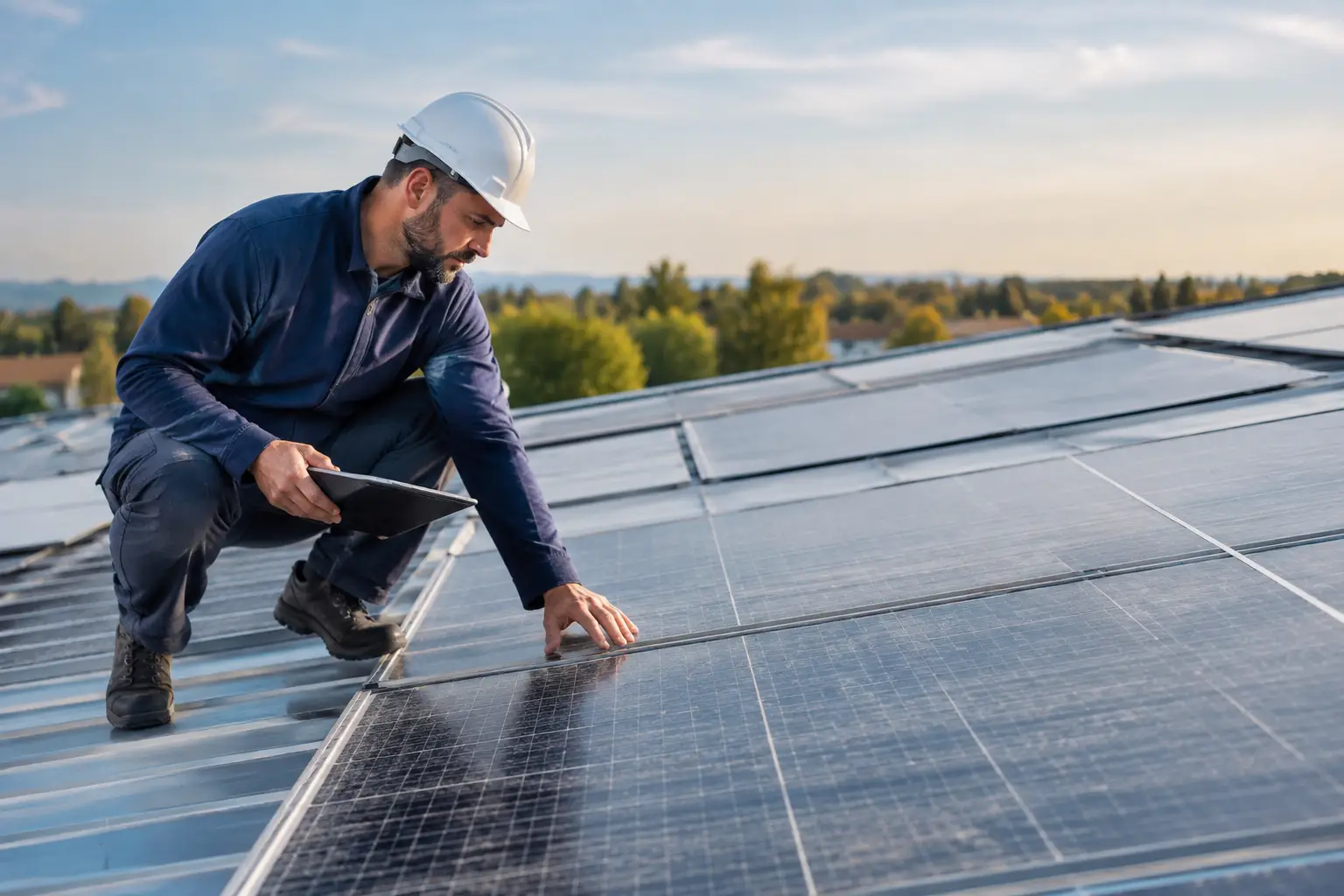
A worthwhile inspection should leave you with more than a verbal assurance that the panels look fine. It should assess system operation, inverter status, accessible electrical components, visible panel and mounting condition, and signs of weather or age-related damage. Where testing is required, it should be performed by a qualified professional using the appropriate process.
Just as importantly, the findings should be explained in plain language. You need to know what is urgent, what should be monitored and what can be planned for later. Clear repair recommendations let you make decisions based on safety, compliance and likely financial benefit rather than pressure or uncertainty.
Solar Testing and Maintenance focuses on this post-installation work: inspecting established systems, carrying out anti-islanding inverter testing, locating faults and planning practical repairs. For owners, that means direct attention to the equipment already on the roof and the return it is delivering.
Your solar system has already done the hard work of offsetting power costs. Giving it a timely professional check is a sensible way to keep it safe, compliant and earning its place on the roof.
Leave a Reply