

A solar system can look perfectly normal from the ground while a fault is developing at the switchboard. The solar switchboard guide below explains what to look for, what not to touch, and when a licensed electrician should test the system. For Canberra solar owners, this is practical maintenance that can prevent lost generation, electrical damage and avoidable compliance issues.
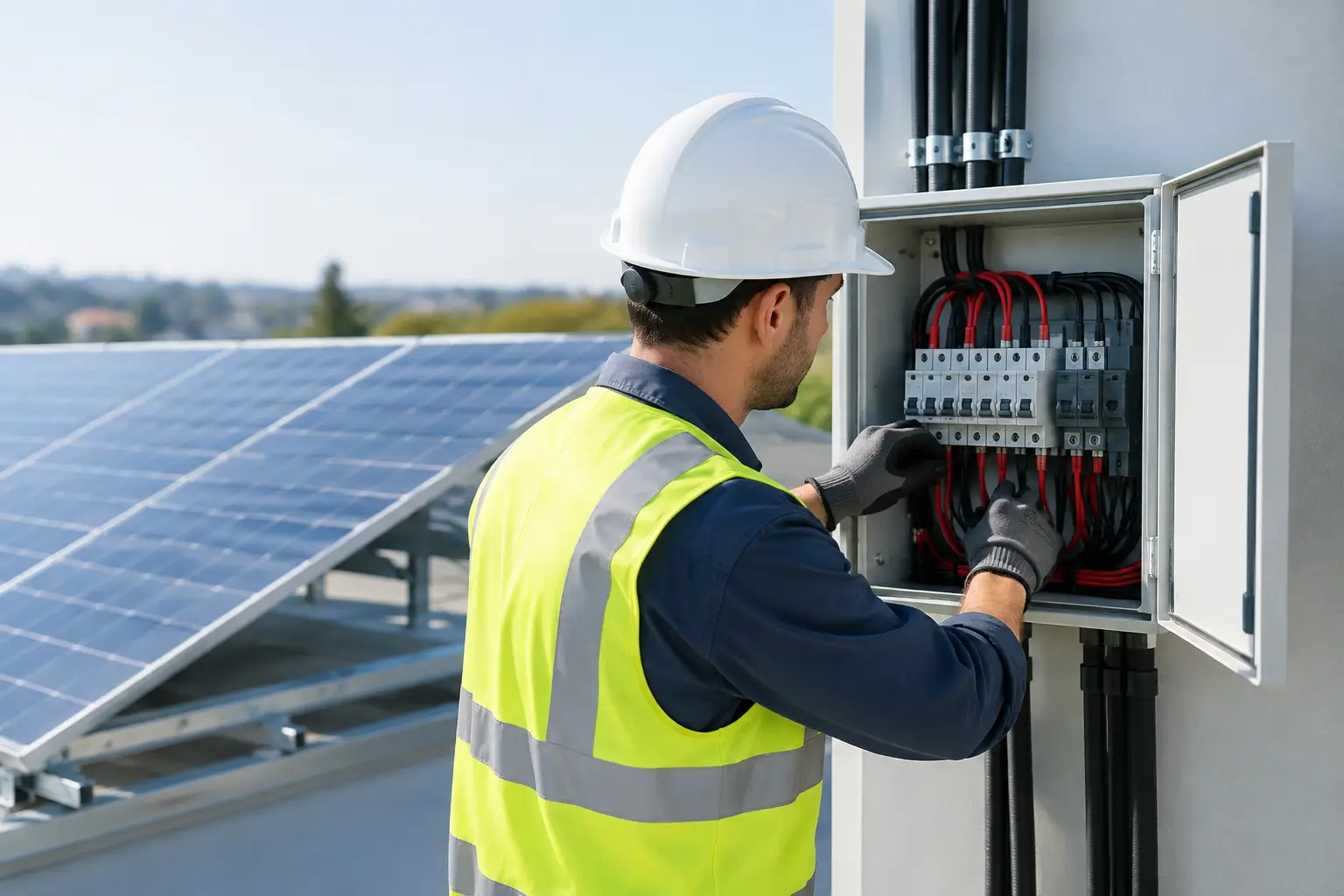
Your switchboard is where the solar system connects with the property’s electrical installation and the grid. It is not a component to treat as an occasional DIY check. A quick visual inspection is useful, but opening covers, resetting protective devices repeatedly or working around live wiring is not.
What a solar switchboard does
Most rooftop solar systems have protective equipment at the main switchboard, the inverter and sometimes near the solar array. The exact layout depends on the system’s age, size and design. A newer installation may look quite different from an older system with separate DC isolators and an inverter mounted outside.
At the switchboard, solar generation enters the property’s electrical system through dedicated protection. This commonly includes a solar main switch, circuit breaker and safety devices appropriate to the installation. Labels identify the solar supply and warn that more than one source of electricity may be present.
That last point matters. Turning off the normal mains supply does not always mean every part of a solar installation is de-energised. Solar panels generate whenever they are exposed to light, and batteries add another possible energy source. This is why electrical work on solar equipment must be completed by a suitably licensed electrician.
A sound solar switchboard arrangement helps protect people, wiring, appliances and the inverter when a fault occurs. It also gives a technician a clear, safe point to isolate and test the system. Missing labels, damaged enclosures or poorly arranged cabling can make diagnosis harder and increase the risk of unsafe work later.
Solar switchboard guide: signs that need attention
You do not need to remove a switchboard cover to notice useful warning signs. Check from a safe distance in good light, and keep hands clear of wiring and devices. If something looks wrong, arrange an inspection rather than trying to correct it yourself.
The following signs are worth acting on:
- A solar breaker or safety switch trips more than once, particularly after rain or during strong generation periods.
- The inverter displays a fault, grid error, isolation warning or repeatedly restarts during the day.
- The switchboard has a burnt smell, heat discolouration, melted plastic, corrosion or water marks.
- Solar labels are missing, unreadable or no longer match the equipment installed.
- Generation shown on the inverter or monitoring app is materially lower than expected for the season and weather.
- There has been hail, storm damage, water ingress, pest activity or recent electrical work at the property.
A tripped device has done its job by responding to a problem. Resetting it once may be appropriate only where the cause is known and there are no signs of damage, but repeated resetting is not fault finding. It can mask an intermittent insulation, cable, inverter or moisture issue that needs testing.
Heat marks deserve particular attention. Loose terminals, overloaded connections and deteriorating components can generate heat before a complete failure occurs. Likewise, water staining around a board, conduit or inverter should not be dismissed as cosmetic. Moisture and electrical connections are a poor combination, even where the system is still producing power.
What owners can check safely
A sensible owner check is visual and focused on performance. Compare current production against your normal seasonal pattern, allowing for cloud, shade and shorter winter days. If your monitoring app shows a long-term decline rather than a one-off low day, it is worth investigating.
Look at the inverter display without removing any covers. Record error codes, warning lights and the time the fault occurred. This information helps an electrician identify whether the issue is likely to be grid-related, inverter-related or within the solar array.
At the switchboard, check that the enclosure is closed, dry and free from obvious damage. Ensure access is clear. Rubbish, stored items and garden equipment should not block the board, particularly if a technician needs to isolate the system quickly.
Do not remove switchboard blanks or covers, tighten terminals, replace breakers, test live circuits or spray cleaners into the enclosure. A solar inverter may be shut down incorrectly if the isolation sequence is not understood, and live DC equipment requires specialised knowledge and test equipment.
Why anti-islanding testing is connected to the board
Anti-islanding is a safety function within a grid-connected solar inverter. When the grid fails, the inverter must stop exporting electricity to the network. This prevents a solar system from energising lines that network workers may believe are isolated.
Testing this function is not simply a matter of switching off a breaker and seeing whether the inverter screen changes. A proper test verifies the inverter response under the required conditions and records the outcome. The switchboard connection, inverter settings, isolation points and system configuration all need to be considered.
Some ACT solar owners receive notification that anti-islanding testing is required. If that applies to your system, do not delay until a fault occurs or an appointment becomes urgent. Testing is a defined compliance task, and it is also an opportunity to identify broader issues such as damaged isolators, deteriorated cabling, inaccessible equipment or inverter faults.
For properties with multiple inverters, each relevant unit needs attention. One inverter passing a test does not automatically confirm that the whole solar installation is compliant or operating as intended.
Common faults found around solar switchboards
Age, weather exposure and previous electrical work can all affect solar connections. The board itself may be sound while the fault sits at an inverter isolator, in rooftop cabling or at a panel connection. Proper diagnostics trace the issue rather than replacing parts based on a guess.
Water ingress is a common concern after heavy rain, particularly where conduit entries, external enclosures or seals have deteriorated. Hail can damage panels, junction boxes and rooftop components without creating an obvious immediate shutdown. Damaged insulation or degraded connectors may then lead to intermittent faults when conditions are wet or hot.
Older installations can also have components that are nearing the end of their service life. Isolators may become stiff or cracked, labels can fade, and cable supports may loosen. These details matter because a solar system is exposed to heat, UV, wind and temperature changes year after year.
There is also a financial side to maintenance. A system producing less than it should may not trigger an obvious fault alarm, yet the lost generation accumulates over months. A health check can compare expected system behaviour with actual output and identify whether the issue is shading, panel degradation, inverter performance, wiring or a network-related limitation.
What a professional solar inspection should cover
The scope should match the reason for the visit. A required anti-islanding test is different from a full health check after hail, and both differ from fault finding on a system that is no longer generating. Clear service inclusions help avoid confusion about what has and has not been assessed.
A thorough electrician-led inspection may include verification of switchboard and inverter isolation points, condition checks of accessible solar equipment, cabling and label review, inverter fault assessment, generation checks and electrical testing relevant to the reported issue. Where a problem is found, the next step should be explained plainly: whether repair is urgent, recommended for reliability, or simply something to monitor.
The trade-off is straightforward. A basic compliance test can confirm a required function, but it may not investigate every cause of reduced output. A broader system health check takes more time and is often the better option for older systems, properties with storm exposure or systems with unexplained performance changes.
Ask for clear results and repair recommendations. Good maintenance work should leave you knowing the system’s condition, any safety or compliance concerns, and the practical actions required to protect its output.
Plan maintenance before a small issue grows
Solar systems do not need constant attention, but they should not be ignored until the inverter fails. Arrange an inspection after major hail or water exposure, when repeated trips occur, when monitoring shows a sustained drop in output, or when notified that compliance testing is due.
For owners who want a direct assessment of an existing system, Solar Testing and Maintenance provides electrician-led testing, diagnostics and maintenance planning for solar installations in the ACT. The aim is simple: identify the condition of the equipment, deal with faults safely and help keep the system earning its place on your roof.
A closed, labelled and dry switchboard, paired with reliable inverter performance, is a good sign. If either one gives you reason to pause, arrange a qualified inspection while the issue is still manageable.
Leave a Reply