

A solar system that trips once and stays off is not just an inconvenience – it can quietly reduce your generation for days or weeks. Knowing how to troubleshoot solar tripping issues starts with identifying what has tripped, recording what you can see, and avoiding any work inside electrical equipment. A few safe observations can help a licensed electrician find the fault faster, but repeated resets can mask a serious problem.
First, identify what has actually tripped
“Solar tripping” can describe several different events. The inverter may display a fault and stop generating while the switchboard remains on. An AC circuit breaker may trip. An RCD or safety switch may trip and affect other circuits in the property. In some cases, the inverter has shut itself down because it has detected an unacceptable grid condition.
Start at the inverter display or monitoring app, if you have one. Note the time, the exact fault code or message, whether the inverter is producing power, and whether the issue followed heavy rain, a storm, hail, high temperatures or a power outage. Take a clear photo of the screen and the switchboard position from a safe distance. This information is far more useful than simply reporting that the system has stopped.
Do not remove inverter covers, open isolators, touch wiring, or access the roof to inspect panels. Solar equipment can remain live during daylight hours, even when the inverter is off.
Make only safe, basic checks
If there is no visible damage, burning smell, buzzing, heat at the switchboard, or water around equipment, you can check whether the solar AC breaker or solar supply main switch is clearly in the off or tripped position. A breaker that has tripped often sits between on and off.
You may reset a breaker once by moving it fully off, then back on. If it immediately trips again, leave it off. Do not keep resetting it to see whether it will hold. Repeated tripping is a sign that the protective device is doing its job, and further resets may create a safety risk or worsen equipment damage.
If an RCD has tripped, first consider whether another appliance or circuit may be responsible. If the RCD will not reset when other circuits are off, or it trips again when the solar circuit is restored, the solar system needs fault finding by a qualified electrician.
A system that returns to service after one reset still deserves attention if the fault recurs. Intermittent faults are often linked to moisture, deteriorating insulation, loose connections, ageing isolators or inverter components that are beginning to fail.
Common reasons solar systems trip
Grid voltage or frequency outside limits
Your inverter constantly checks the electricity grid. If grid voltage or frequency moves outside the permitted range, the inverter must disconnect. This is a safety function known as anti-islanding protection. It prevents the system from feeding electricity into lines that may be under repair during an outage.
Grid-related trips can be more common during periods of high solar export, particularly in areas with many rooftop systems. The inverter may show messages such as “grid overvoltage”, “AC voltage high”, “frequency fault” or “grid unavailable”. The system may reconnect later without intervention once supply conditions return to normal.
A single event during a network disturbance may not require repair. Regular overvoltage trips, however, warrant testing. A licensed electrician can assess voltage at the switchboard, check cable sizing and connections, review inverter settings, and determine whether the issue is within the installation or requires network investigation.
Water ingress and weather damage
Canberra’s storms, heavy rain, frost and summer heat place rooftop equipment under real pressure. Water can enter damaged conduits, rooftop junction boxes, isolators and inverter enclosures. Hail may crack panels, damage connectors or compromise cable protection without leaving an obvious fault from ground level.
Moisture-related faults often appear after rain and then disappear when conditions dry. That does not mean the problem has resolved. Insulation resistance testing and a physical inspection are needed to locate damaged cable, connectors or equipment before the fault becomes persistent.
DC isolator, cable or connector faults
Older installations may have weathered DC isolators, brittle cable insulation, loose terminals or incompatible connectors. These faults can cause a DC insulation fault, earth fault, arc fault warning or intermittent inverter shutdown. They can also create a fire and shock risk.
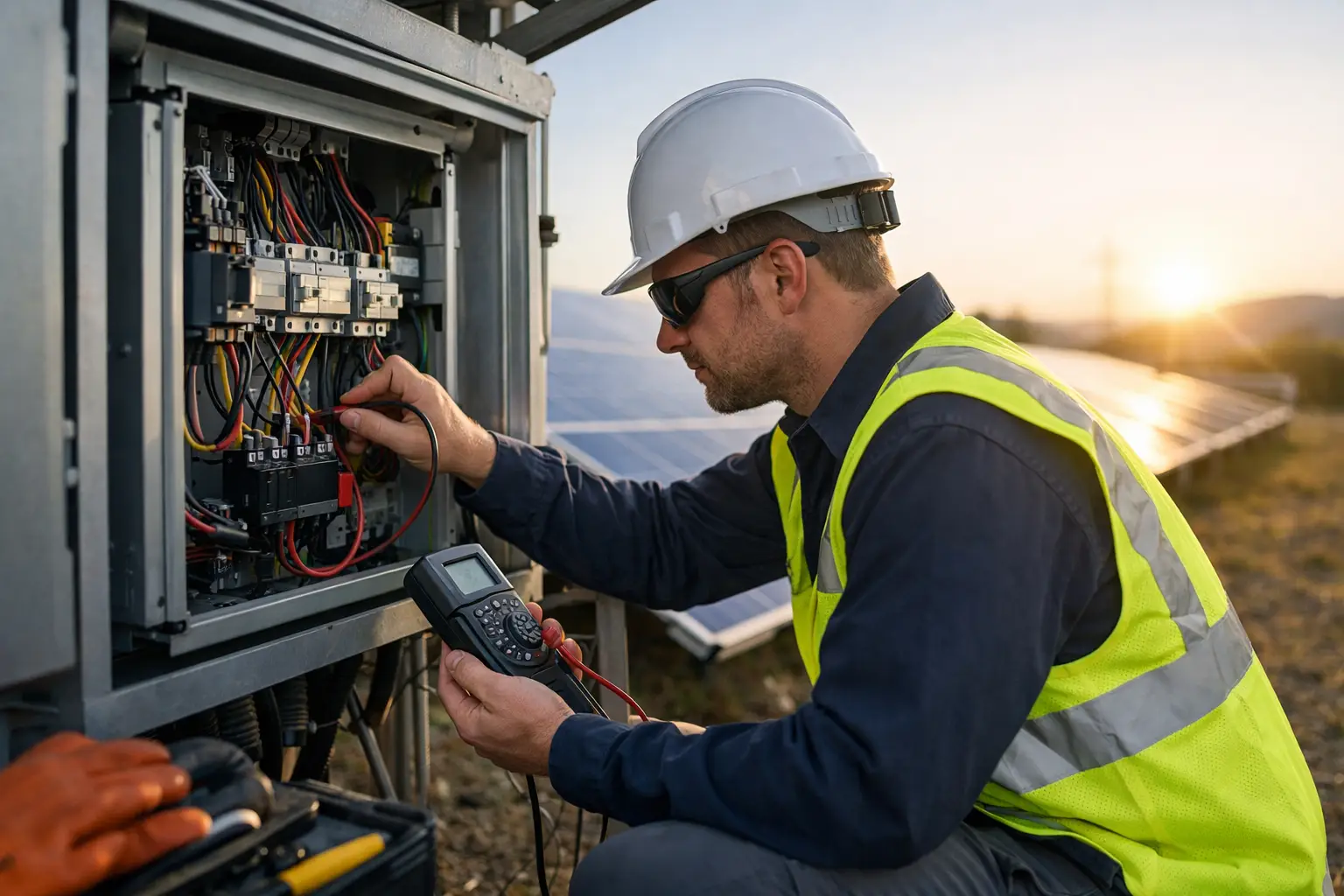
The inverter may identify a DC-side problem, but its message does not confirm the exact failed component. Proper diagnosis involves isolating the system, testing circuits and inspecting accessible equipment using the correct procedures. This is not a DIY task.
Inverter faults and overheating
Inverters work hard in hot weather and may reduce output or shut down to protect themselves if ventilation is poor. Check from the outside only that vents are not blocked by leaves, stored items or nests, and that nothing has been placed against the unit.
Persistent internal faults, fan errors, relay faults or communication errors need assessment. An inverter may be repairable, but older units can reach a point where replacement is more economical. The best decision depends on the fault, warranty status, system age and the cost of restoring reliable operation.
How to troubleshoot solar tripping issues after a blackout
Following a power outage, your inverter should disconnect from the grid and wait before reconnecting. This delay is normal. Many systems take several minutes after grid power returns before they complete checks and resume generation.
If the house has power but the inverter remains off, check the display for a grid or isolation message and allow reasonable time for reconnection. If it does not restart, or a solar breaker has tripped, record the message and arrange an inspection rather than repeatedly cycling switches.
Mandatory anti-islanding testing is particularly relevant after electrical work, inverter replacement, network requirements or notification from your electricity provider. This test confirms the inverter disconnects correctly when grid supply is lost. It is a compliance and safety requirement, not a simple performance check.
When tripping needs urgent attention
Leave the solar system switched off and contact a licensed electrician promptly if you notice a burning smell, smoke, scorch marks, melted components, cracked isolators, exposed cable, damaged panels, water inside electrical equipment, or repeated RCD tripping. If there is an immediate danger, keep clear of the equipment and contact emergency services.
You should also arrange testing where the system trips after rain, shuts down most sunny days, has lost production without a clear explanation, or has been affected by hail. A system can appear normal between trips while still carrying damaged equipment or degraded insulation.
For ACT solar owners, a focused system health check can combine inverter fault review, visual inspection, electrical testing and anti-islanding testing where required. Solar Testing and Maintenance provides electrician-led diagnostics that identify whether the issue is a network condition, inverter setting, damaged component or installation fault, then provides clear repair recommendations.
What to have ready for the electrician
A technician can work more efficiently when you provide the inverter brand and model, system age, photos of fault codes, dates and times of tripping, and details of recent weather or electrical outages. If available, monitoring screenshots showing the production drop-off can help establish whether the problem is sudden, intermittent or ongoing.
Avoid clearing fault history in the app or resetting the inverter repeatedly before the visit. Fault records may show patterns that point directly to voltage events, insulation issues or internal inverter failures.
A solar system should not need regular manual resets to keep operating. Treat every recurring trip as useful evidence: record it, leave unsafe equipment alone, and have the cause properly tested before lost generation turns into a larger repair.
Leave a Reply