

A solar system can look perfectly normal from the ground while quietly producing less energy, developing an electrical safety issue or failing a required grid protection test. Residential solar diagnostics are designed to find those problems before they become costly downtime, avoidable repair work or a compliance concern.
For Canberra homeowners, this matters most when a system is getting older, its output has dropped without a clear reason, or an Evoenergy notification has arrived for anti-islanding testing. A proper diagnostic visit is not a quick look at the inverter display. It is a structured assessment of how the system is performing, whether its safety components are operating correctly and what needs attention now versus later.
What residential solar diagnostics actually check
Diagnostics begin with the system as a whole, not a single suspected component. The goal is to establish whether the panels, wiring, isolators, inverter and grid connection are working together as intended. A fault in one area can affect output elsewhere, so replacing parts before testing can be an expensive guess.
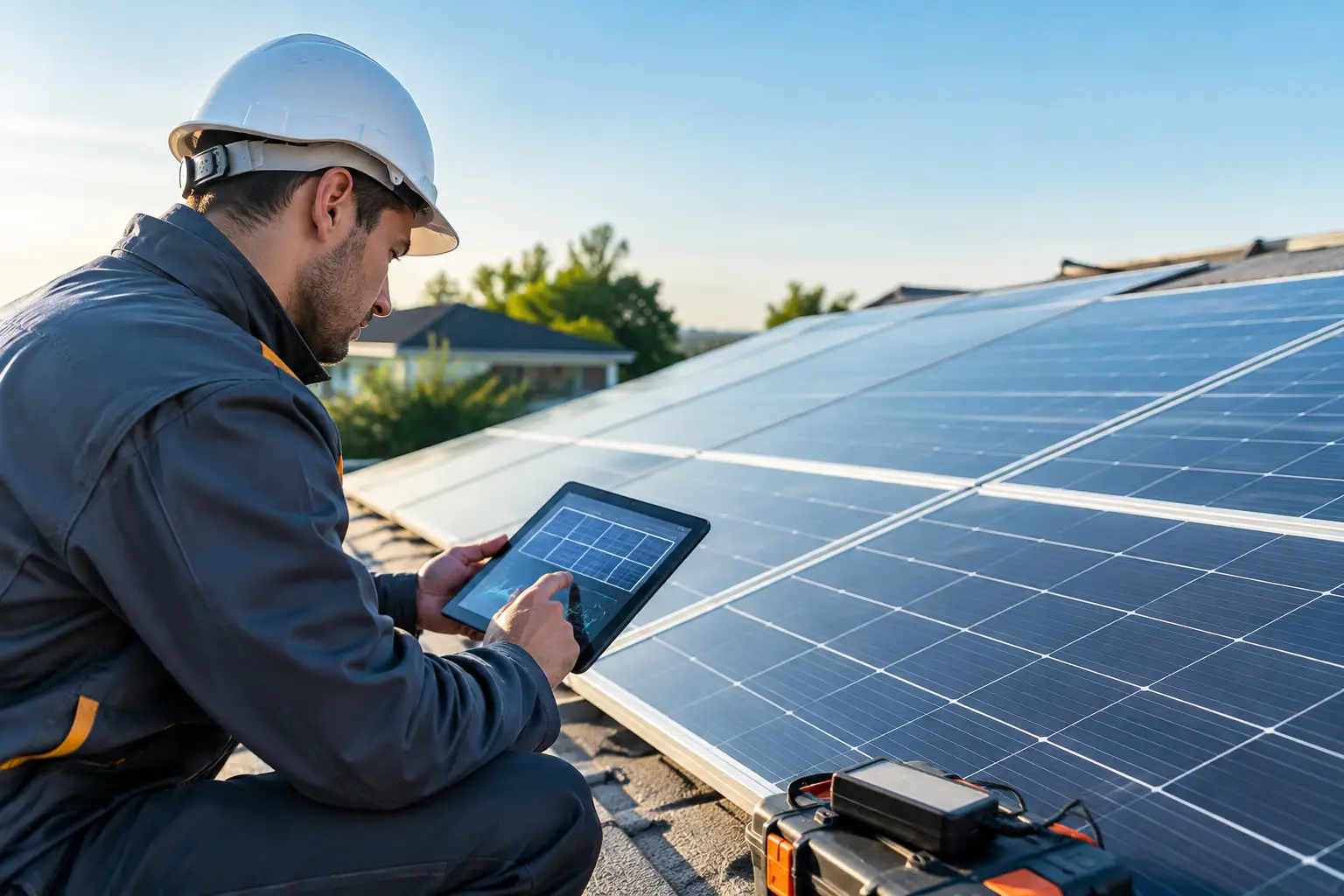
A qualified electrician will generally review inverter operation and fault history, inspect accessible rooftop and ground-level equipment, check cable condition and connections, and assess the condition of DC isolators and AC protection equipment. They will also compare the system’s expected behaviour with its actual production where monitoring data is available.
The inspection should look for signs of heat, water ingress, UV damage, corrosion, cracked enclosures, loose fittings and weather-related damage. Canberra’s hot summers, cold winters and occasional severe hail make those checks worthwhile. A panel may remain physically intact after a storm but still have concealed damage that affects performance over time.
Where required, diagnostics also include functional compliance testing. This is particularly relevant to anti-islanding protection, which ensures an inverter disconnects from the grid when the supply fails. That protection is there to prevent solar power from energising lines while network crews are working on them.
Why monitoring alone is not enough
Monitoring is useful, but it is not a complete health check. It can show that production is lower than usual, yet it rarely identifies the reason with certainty. A reduction could be caused by soiling, seasonal weather, new shading, a communication fault, one underperforming panel string, a deteriorating isolator or an inverter operating restriction.
Some systems have no active monitoring at all. Others report daily generation but do not provide enough detail to reveal intermittent trips, insulation issues or declining component condition. An app also cannot inspect a rooftop cable, test protection functions or confirm that an inverter will respond correctly during a loss-of-grid event.
That distinction matters when deciding what to spend. If output is down because the panels are dirty, the response is different from a damaged cable or failing inverter. Diagnostics provide evidence for the repair plan, helping owners avoid paying for work that does not address the actual cause.
Common signs your system needs attention
A complete shutdown is not the only reason to arrange testing. Many faults begin as small changes that are easy to overlook, particularly when electricity bills vary across the year.
Arrange a diagnostic inspection if you notice repeated inverter warnings, unexplained production drops, frequent grid connection errors or an inverter that switches off during clear weather. It is also sensible after major hail, heavy rain, wind damage or roof work near the solar array.
Visible signs need prompt attention. These include cracked panel glass, discoloured isolator switches, damaged conduit, exposed cable, water inside electrical enclosures or a burning smell around inverter equipment. Do not open enclosures or attempt electrical repairs yourself. Switch off only if it is safe to do so and seek advice from a licensed electrician.
Older systems deserve a planned check even when they appear to be operating normally. Components exposed to heat, moisture and ultraviolet light do not all age at the same rate. Finding wear before it causes a failure can protect both generation and safety.
The diagnostic process: from fault report to repair plan
Good residential solar diagnostics follow a logical sequence. First, the electrician gathers the system details: installation age, inverter model, past faults, recent weather events, monitoring history and any network testing notice. This context helps distinguish a sudden fault from gradual performance decline.
The next stage is a visual and electrical inspection. The electrician checks accessible equipment for defects and carries out the relevant tests safely. Depending on the system and the reason for the visit, this can include verifying inverter status, checking AC and DC isolation, testing protection operation and assessing string performance. Multi-inverter properties need each inverter considered individually rather than treated as one system.
For mandatory anti-islanding testing, the inverter’s response to a simulated grid loss is checked under controlled conditions. The test confirms the unit disconnects as required and supports ongoing network compliance. This is specialised work that should be completed by an appropriately qualified electrician using suitable test procedures.
The final step is often the most useful for the property owner: clear findings and prioritised recommendations. Not every issue requires immediate replacement. A sound repair plan separates urgent safety or compliance items from maintenance that can be scheduled, and from observations worth monitoring at a future service.
Faults that can reduce return on your solar investment
Solar faults are not always dramatic. A loose connection or a deteriorating isolator can create resistance and heat, leading to lost output or equipment failure if left unresolved. Water ingress can affect enclosures and connections long before a complete shutdown occurs.
Panel degradation is another area where context matters. All panels lose some capacity over time, but uneven performance, visible damage or a sharp change after hail may point to a specific problem rather than normal ageing. Shading can also change as trees grow or nearby structures are added. Diagnostics help separate environmental causes from electrical faults.
Inverters are hardworking electronic devices, and they are often the first point owners notice when something is wrong. Error codes can relate to grid voltage, insulation resistance, internal faults, communication issues or a problem elsewhere in the installation. Reading the code is only the starting point. The correct repair depends on verifying the cause.
There is also a financial reason to act early. Small production losses add up across seasons, while a preventable component failure can result in a longer interruption to generation. Timely testing gives owners the information needed to make sensible repair decisions rather than waiting for a total failure.
When to book a solar health check
There is no single interval that suits every home. The right timing depends on system age, equipment condition, exposure to severe weather, monitoring history and network requirements. A newer system with stable production may need little beyond required compliance testing and periodic inspection. An older system, or one with past faults, may benefit from more regular checks.
Book promptly when you receive a notification requiring anti-islanding testing. Do the same after a significant storm if there is any sign of damage, even if the inverter still indicates normal operation. If production has fallen and the cause is unclear, diagnostics should come before assumptions about panel cleaning or component replacement.
Before the appointment, keep any inverter fault messages, screenshots from the monitoring app and details of recent power events or roof work. These records can help the electrician identify patterns and make the visit more efficient.
A solar system is an investment that should keep earning its place on the roof. The practical next step is to have unusual behaviour, weather damage or required inverter testing assessed properly, while the issue is still manageable.
Leave a Reply