


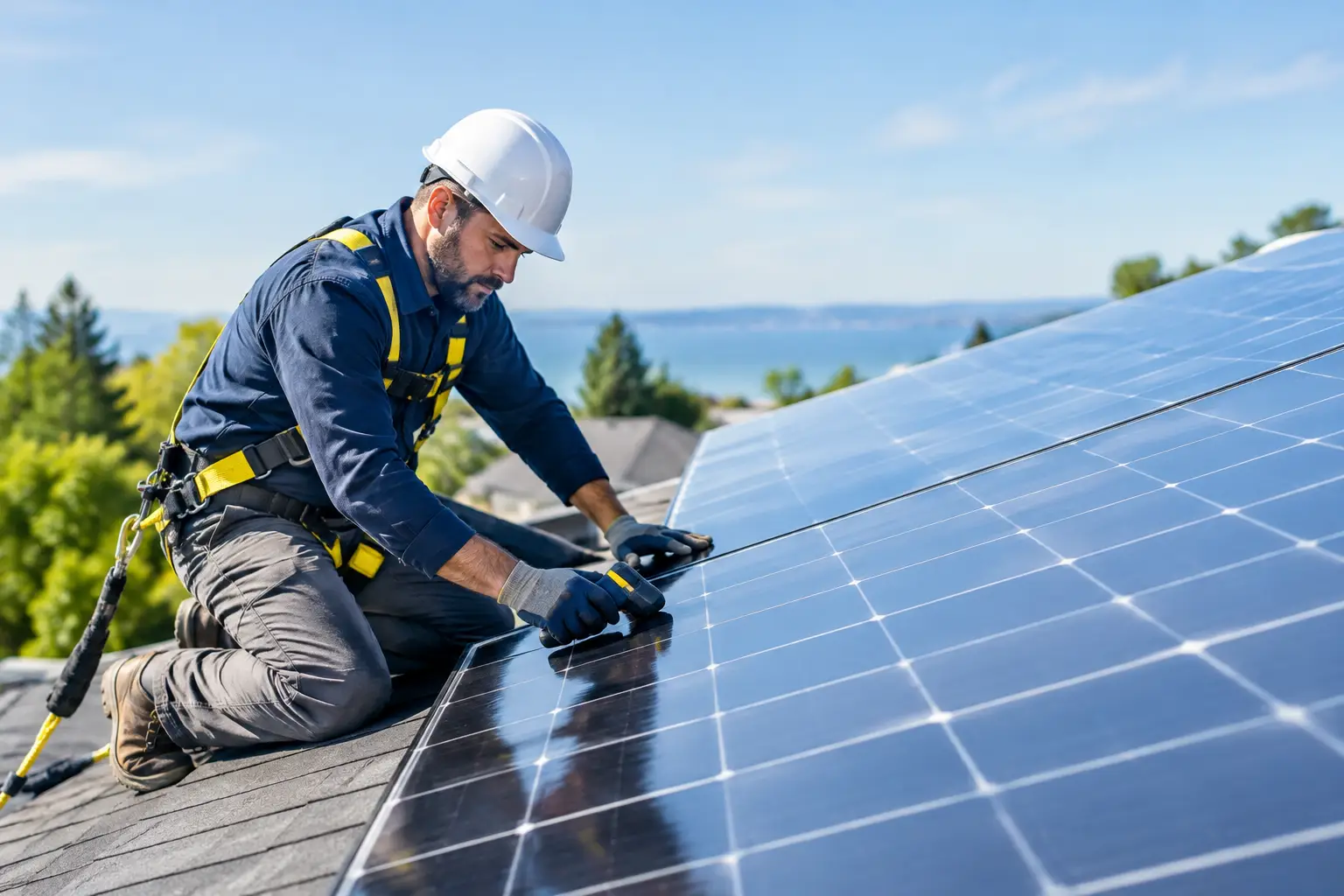
A solar system can look perfectly normal from the ground while an isolator, connection or inverter setting is quietly reducing production. Residential PV maintenance planning gives homeowners a practical way to find those issues early, meet required testing obligations and protect the return expected from their system.
For most homes, the aim is not to have someone on the roof every few months. It is to set sensible inspection points, respond quickly after damaging weather or a production drop, and have electrical testing completed by a qualified person when it is due. That approach costs less than waiting for a fault to become a shutdown, safety issue or avoidable insurance claim.
What residential PV maintenance planning should cover
A useful maintenance plan begins with a clear record of the system: panel layout and age, inverter model, number of strings, battery equipment if fitted, monitoring access, and previous repairs. Keep the original commissioning documents, warranties and any test records together. If a technician needs to fault-find later, this information can save time and make repair recommendations more precise.
The plan should then separate routine observation from electrician-led inspection and testing. Homeowners can check performance through their monitoring portal, look for obvious shading changes and report warning lights or error messages. Electrical work, roof access, opening enclosures and testing protection functions are not DIY tasks.
A sound plan normally includes an annual system health check, inverter anti-islanding testing when required by the network or notification process, and an inspection after significant hail, wind, water ingress or electrical events. The exact frequency depends on the system’s age, equipment, exposure and performance history. A newer system with stable output may need less corrective work than a 10-year-old system, but neither should be left entirely unchecked.
Start with a baseline health check
If your solar system has not been professionally checked for several years, start with a full health assessment rather than trying to build a schedule around assumptions. A proper visit looks beyond whether the inverter is generating at that moment.
The electrician should assess accessible DC and AC cabling, isolators, rooftop panels where safe to do so, mounting condition, inverter operation, visible signs of heat or water damage, and system output against reasonable expectations. They may also test electrical values and safety functions relevant to the equipment. The result should be a plain-language record of what is working, what needs attention now and what can be monitored over time.
This baseline matters because solar faults are often gradual. Panel degradation, loose connections, damaged connectors and moisture exposure may not cause a complete failure straight away. They can first appear as intermittent inverter faults, reduced string performance or unexplained variation in daily output.
Build your schedule around risk, not guesswork
The best residential PV maintenance planning is based on what can affect your particular installation. A home with panels exposed to open-country winds, overhanging trees or regular bird activity has different risks from a clean, sheltered roof. Older systems may also have isolators or cabling that deserve closer attention than newer equipment.
For most owners, a simple calendar works well: review monitoring monthly, arrange a professional check annually, and book an inspection whenever something changes. That change might be a sustained production fall compared with similar sunny periods, repeated inverter alerts, a new roof leak near solar equipment, physical damage, or a major storm.
Do not compare one cloudy week with a sunny week from last year and assume there is a fault. Production changes with season, temperature, household consumption displays, shading and weather. Look for a consistent reduction under similar conditions, particularly if it cannot be explained by a dirty display, internet outage or a known change around the property.
Add a post-storm response plan
Canberra conditions can be hard on rooftop equipment. Hail can crack panel glass or damage cells without making the issue obvious from ground level. Strong winds can affect mounting hardware or cable restraint, while heavy rain can expose water-entry issues around roof penetrations and enclosures.
After severe weather, safely check from ground level for visible broken glass, loose panels, displaced fittings or debris. Check the inverter for faults and take screenshots of monitoring data if available. If there is visible damage, a burning smell, water around electrical equipment or an inverter that will not restart, leave the system alone and arrange qualified assessment.
Photographs taken from the ground, weather dates and production records can also be useful if an insurance claim is needed. The priority is safety first, then evidence, then a proper inspection and repair plan.
Treat inverter testing as a compliance task, not a box-ticking exercise
The inverter is the system’s control point between your solar array, home and electricity grid. Its anti-islanding protection is designed to stop the inverter exporting power if the grid supply fails. This helps protect network workers and supports safe grid operation.
Where anti-islanding testing is required, it should be carried out properly and documented. An automated notification may feel like another administrative task, but delaying it can create compliance issues and leave an important protection function unverified. The test is also an opportunity to review how the inverter is operating and identify faults that may otherwise only surface during an outage or network event.
Owners with more than one inverter should make sure every applicable unit is included. A system may have been expanded over time, with separate equipment on different roof sections or an additional battery inverter. The maintenance record should reflect what is actually installed, not just the original paperwork.
Focus maintenance spending where it prevents loss
Not every apparent solar issue needs immediate replacement. A technician may find an item that is safe for now but worth monitoring, or recommend repairing a specific connection rather than replacing a functioning inverter. Clear priorities help you make decisions based on safety, compliance and likely energy loss.
The work that commonly deserves prompt attention includes damaged panel glass, compromised isolators, exposed or deteriorated cable, signs of overheating, water ingress, persistent inverter faults and equipment that fails required protection testing. These are not cosmetic matters. Left unresolved, they can affect production, reliability and safety.
Cleaning is more conditional. In many Canberra homes, ordinary rain and panel tilt keep soiling at a level that does not justify routine paid cleaning. However, heavy bird droppings, dust from nearby works, pollen build-up or a low-pitch array may warrant targeted cleaning after inspection. Avoid abrasive products, high-pressure cleaning and unqualified roof work. A small performance gain is not worth a damaged panel, roof or warranty dispute.
Tree management is another practical consideration. New shading can have a larger effect than many owners expect, especially where it falls across one section of a string during peak generation hours. If pruning is needed, consider local rules, safety and the tree’s health before arranging work.
Keep records that support repairs, warranties and resale
A maintenance file does not need to be complicated. Keep copies of inspection reports, test results, invoices, photos of storm damage, repair recommendations, warranty correspondence and monitoring screenshots showing faults or reduced output. Record the date, issue and outcome each time work is completed.
This history helps when an intermittent problem returns. It also gives an insurer, prospective buyer or new technician evidence that the system has been cared for responsibly. For a property with older solar, good records can be as valuable as the equipment itself because they remove uncertainty about what has already been tested or replaced.
Know when to book a specialist
Arrange professional assessment if your inverter shows recurring errors, output has dropped without a clear weather explanation, panels have been exposed to hail, an isolator looks cracked or discoloured, or you have received a notification for required inverter testing. The same applies if monitoring has stopped reporting and basic internet checks do not restore it.
Solar Testing and Maintenance approaches this work as post-installation electrical care: checking the system condition, completing applicable compliance testing and giving clear repair priorities rather than selling a replacement system by default. For homeowners, that means knowing what needs action now and what can be planned sensibly.
A good maintenance plan should make solar ownership quieter, not more complicated. When the records are current, testing is up to date and faults are dealt with early, your system has a better chance of continuing to earn its keep when the sun is doing the work.
Leave a Reply