


If you have received a notice about EvoEnergy solar testing requirements, the main thing to know is this: it is not a sales exercise and it is not something to leave sitting in your inbox. These testing requirements usually relate to anti-islanding protection on your inverter, and they exist to confirm your solar system disconnects correctly from the grid when required.
For most solar owners, that sounds highly technical until the letter arrives. Then it becomes simple very quickly – you need a qualified electrician to test the system, confirm whether the inverter passes, and provide the right outcome so your connection remains compliant. If your system is older, has more than one inverter, or has had weather exposure over the years, it is also a good opportunity to find issues that may already be affecting output.
What are EvoEnergy solar testing requirements?
EvoEnergy solar testing requirements generally refer to mandatory inverter testing requested for certain grid-connected solar systems. In practical terms, the test checks that the inverter’s anti-islanding protection works as intended.
Anti-islanding is a safety function. If the grid goes down, your solar inverter must shut down or disconnect within the required parameters rather than continuing to feed power into the network. That matters for lineworker safety, network stability and compliance with the connection rules your system operates under.
Not every solar owner will be asked to complete this testing at the same time. Notifications are usually issued based on inverter model, installation period, network records or compliance programs. If you have been contacted, it is because your system has been identified for testing, not because you have done anything wrong.
Why this testing matters beyond compliance
The obvious reason to arrange the test is compliance with your network obligations. But there is a second reason that matters just as much for most homeowners – underperforming or ageing solar systems often have more than one issue going on.
A required inverter test can reveal whether the inverter is responding correctly, but a proper site visit can also uncover damaged isolators, degraded cabling, poor connections, panel faults, signs of water ingress or storm-related wear. These are the problems that quietly cut production and reduce the financial return of a system over time.
That is why the cheapest test is not always the best value. If the job only proves one narrow point and ignores obvious condition issues, you may remain compliant on paper while still losing generation every day.
What the anti-islanding test actually involves
Homeowners are often unsure what happens on the day. The good news is that this is a defined electrical test, not guesswork.
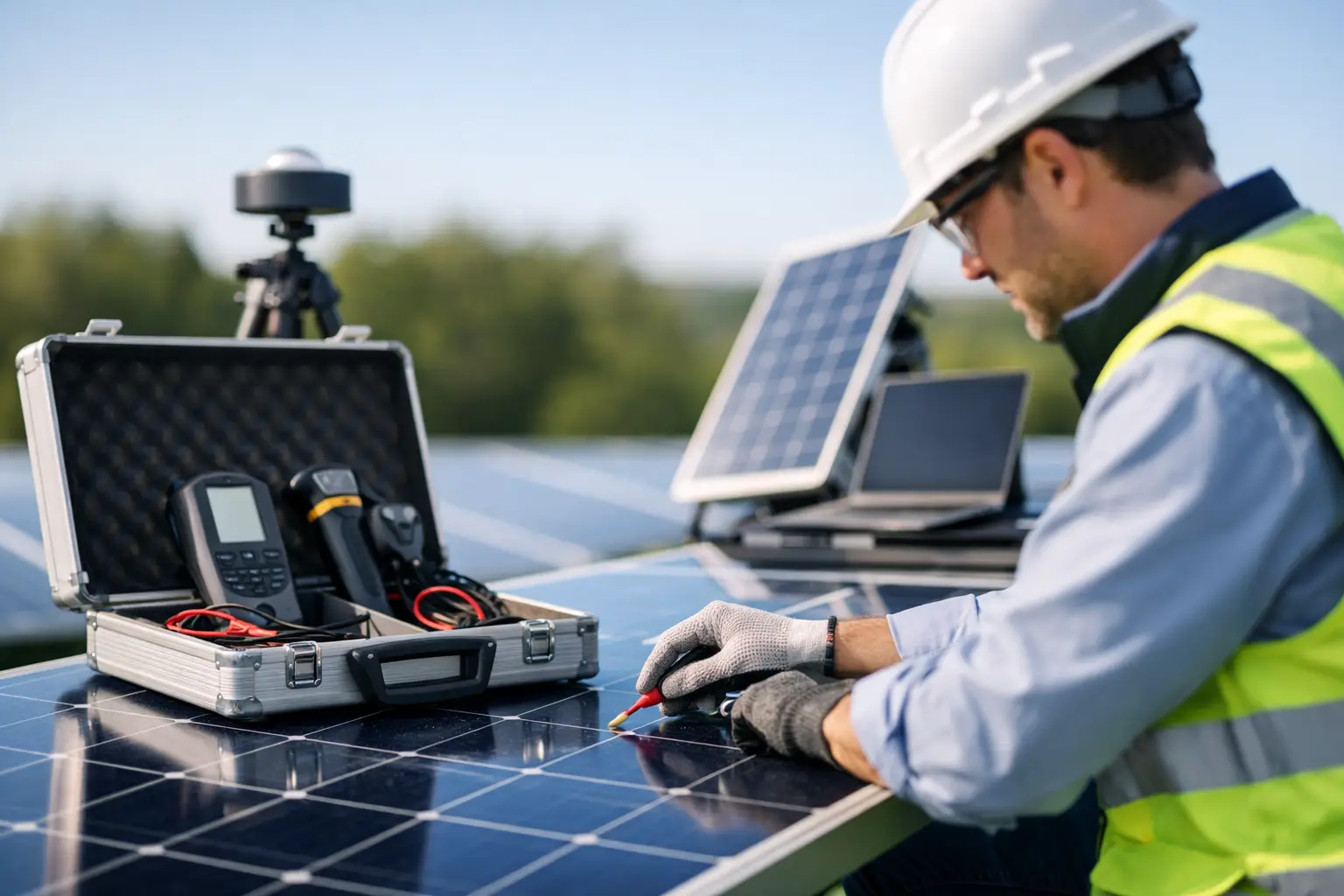
A qualified electrician attends site, confirms the system details, isolates and tests the inverter under controlled conditions, and checks whether the anti-islanding function responds within the required limits. The exact process depends on the inverter type and system configuration, but the purpose is always the same – verify that the inverter disconnects correctly from the grid.
If the inverter passes, the result is documented and the required reporting can be completed. If it fails, that does not always mean the entire solar system is finished. Sometimes the issue is settings, compatibility, deterioration or model-specific behaviour. In other cases, replacement is the sensible path, especially where older hardware is already showing reliability problems.
EvoEnergy solar testing requirements for older systems
Older systems deserve special attention because they are more likely to have hidden faults that do not show up until testing or inspection begins. A system can still be generating power and yet have deteriorated components that present a safety risk or drag down output.
In Canberra and the broader ACT region, weather exposure is a real factor. Hail, heat cycling, UV damage and moisture can all take a toll over the years. Isolators may crack or fail, panel backsheets can degrade, connectors can loosen, and inverter enclosures may show signs of age. When anti-islanding testing is due, it makes sense to look at the condition of the wider system rather than treating the inverter as if it operates in isolation.
This is especially true for homes with multiple inverters or extensions added over time. Different equipment generations do not always age evenly, and previous repair work may not have addressed the whole installation consistently.
What to expect if your inverter fails
A failed result usually leads to one of two paths: further fault finding or replacement planning. The right option depends on the inverter model, age, test outcome and overall system condition.
If the inverter is relatively modern and otherwise healthy, there may be a repairable cause or a compliance issue that can be addressed. If the unit is older, unsupported, weather-affected or already underperforming, replacing it may be more cost-effective than spending money on a temporary fix.
This is where straightforward advice matters. You want to know whether a repair is likely to hold, what the replacement options look like, and whether any surrounding components also need attention. There is no value in passing the test this month if another failure is waiting in the switchboard or on the roof.
Choosing the right service for EvoEnergy solar testing requirements
Not all solar contractors approach this work the same way. Some focus on new installs and treat testing as a side task. For an existing system owner, that is not always ideal.
You need an electrician-led service that is comfortable with diagnostics, compliance testing and maintenance on systems that have been in service for years. That means turning up ready to test, but also ready to identify why the system is not behaving as expected if something does not stack up.
It also helps when pricing is clear from the start. Required testing should not feel vague or open-ended. A good service will explain what is included, what happens if faults are found, and whether additional inspection or repair planning is likely to be worthwhile.
For some customers, an inverter compliance test on its own is enough. For others, particularly those with ageing systems or recent storm exposure, combining the test with a broader health check is the better decision.
Common questions owners ask
One of the most common questions is whether the power needs to be shut off. During testing, parts of the solar system will need to be safely isolated, and the electrician will explain what is required before starting.
Another question is whether you can ignore the notice if the system seems to be working fine. The short answer is no. Solar output on your monitoring app is not proof that anti-islanding protection is compliant.
People also ask whether failing the test means immediate replacement. Sometimes yes, sometimes no. It depends on the inverter, the fault and whether a safe, compliant remedy is available.
Finally, there is the question of timing. If you have been notified, do not leave it until the last minute. Testing bookings can tighten up, and if follow-on work is needed, you want enough time to deal with it properly rather than rushing into a poor decision.
The practical value of combining compliance with maintenance
From a homeowner’s point of view, every site visit should do useful work. If someone is already on site for mandatory testing, that is the right moment to confirm the rest of the system is in good order.
A practical inspection can pick up obvious panel damage, signs of water ingress, damaged labelling, switchgear problems, cable issues and inverter alarms or history faults that may not have been reviewed for years. None of that is theoretical. These are common causes of lost performance and avoidable failures on existing rooftop systems.
That is why many owners choose a specialist aftercare service rather than treating compliance as a stand-alone checkbox. The goal is not just to satisfy the network. It is to keep the solar system safe, productive and worth having on the roof.
Solar Testing and Maintenance works in this space because existing systems need a different mindset from new installations. The focus is on testing properly, finding faults clearly and helping owners make sensible repair decisions without fluff.
If you have been asked to complete EvoEnergy solar testing requirements, treat it as a useful trigger rather than a nuisance. A proper test tells you whether the inverter meets the rules. A careful inspection tells you whether the whole system is still working in your favour.
Leave a Reply