


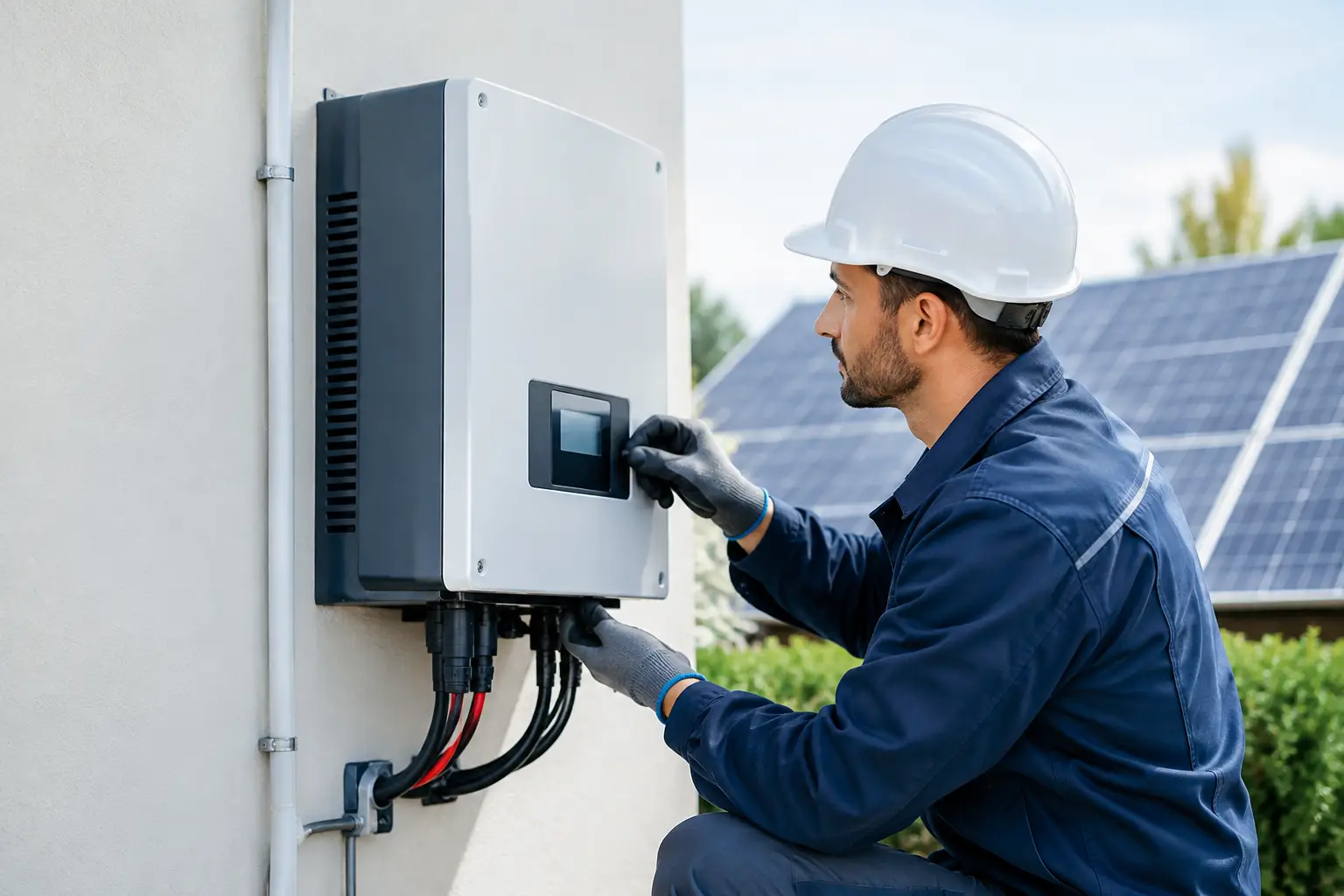
A solar system can look perfectly normal from the ground while quietly losing production. A tripped isolator, water-affected connection, inverter fault history or reduced output from one string may not be obvious on a power bill until months of generation have been missed. Regular solar inverter maintenance gives system owners a practical way to find those problems early, keep equipment operating safely and protect the return their solar investment was meant to deliver.
For Canberra and ACT property owners, this is particularly relevant after hail, heavy rain, extreme heat or years of seasonal temperature changes. Rooftop solar works hard in tough conditions. The inverter and its related electrical equipment need periodic professional attention to remain safe, compliant and productive.
Why the inverter deserves close attention
The inverter is the working centre of a grid-connected solar system. It converts DC electricity from the panels into AC electricity your property can use and export to the grid. It also monitors voltage, frequency and grid conditions, then disconnects the system when it detects a situation where continued export could be unsafe.
When an inverter is operating properly, it can be easy to forget about. But reduced generation is not always caused by dirty panels or cloudy weather. Inverter alarms, ageing isolators, damaged cabling, loose terminals, failed cooling components and communication faults can all affect performance. Some faults stop production completely; others cause intermittent shutdowns that are harder to identify without reviewing system data and testing the installation.
A professional inspection looks beyond whether the screen is lit up. It considers the inverter’s operating history, its physical condition, error messages, ventilation, DC and AC connections, protective devices and the broader condition of the solar system. That distinction matters. Resetting an alarm may restore generation temporarily, but it does not establish why the fault happened or whether it will return.
What solar inverter maintenance should cover
The right scope depends on the system’s age, make, configuration and any known faults. A newer system with no alerts may only need routine inspection and required grid protection testing. An older system, or one affected by weather damage or poor output, may need more detailed diagnostics.
A proper maintenance visit commonly starts with a visual inspection of accessible equipment. This includes the inverter enclosure, labels, isolators, conduits, cable entries and signs of heat damage, corrosion, cracking, pest activity or water ingress. In the ACT, weather exposure can be unforgiving, and roof-mounted equipment or outdoor isolators can deteriorate well before the panels themselves.
The electrician should then check operational information. Current output alone is not enough, because solar production changes with sunlight, panel orientation and household demand. Fault logs, inverter status, historical generation where available and string performance provide a much better picture. A system producing less than expected needs investigation, not guesswork.
Electrical testing may identify issues that cannot be seen from the ground. Depending on the system and service required, this can include checks of isolation, connections, protective equipment and inverter operation. If there is evidence of a failed component or damaged cable, the next step should be a clear repair plan with the issue explained in plain language.
Anti-islanding testing is not a box-ticking exercise
One of the most important parts of inverter care is anti-islanding testing. Anti-islanding protection is designed to make the solar inverter disconnect from the grid if the grid supply fails. This prevents the solar system from energising lines that network workers may assume are de-energised.
For some ACT solar owners, testing is prompted by an Evoenergy notification or a requirement linked to the installation’s connection arrangements. It can feel administrative, but it is a safety and compliance function that needs to be carried out correctly. The goal is to confirm the inverter responds within the required settings and does not continue exporting during a grid outage.
Testing should be completed by a suitably qualified electrician with the right equipment and an understanding of inverter protection requirements. The result should be recorded clearly, along with any setting issues, failed tests or follow-up work required. If the inverter does not pass, the system may need adjustment, repair or replacement planning before it can be considered compliant.
Warning signs worth acting on
Solar systems do not always fail dramatically. Often, the first signs are small changes that persist. An inverter that repeatedly disconnects in good weather, a sudden drop in daily generation or an unfamiliar warning light deserves attention.
Arrange an inspection if you notice any of the following:
- Frequent inverter alarms, error codes or shutdown messages
- Production that is consistently lower than previous years under similar conditions
- Cracked casings, discoloured isolators, exposed cabling or signs of water ingress
- Hail impact, storm damage, fallen branches or pest damage around solar equipment
- A mandatory anti-islanding test notice from Evoenergy
- An inverter that is unusually noisy, hot, blank, or unable to connect to monitoring
The most urgent issues are visible electrical damage, burning smells, heat marks, damaged enclosures or water entering electrical equipment. Do not open isolators or inverter covers yourself. If there is a suspected electrical safety issue, leave the equipment alone and arrange licensed assistance.
What you can check safely between visits
Owners can play a useful part in catching faults early, without touching live equipment. Check the inverter display or monitoring app occasionally and compare recent generation with the same period last year, allowing for weather differences. Take note of warning messages rather than repeatedly clearing them.
From a safe position, look for obvious damage around the inverter and visible solar equipment. Keep vegetation clear of accessible equipment, and make sure nothing is blocking inverter ventilation. If the inverter is in a garage, avoid stacking boxes or stored items tightly around it. Heat shortens the life of electronic components, so adequate airflow is not a minor detail.
It is also sensible to retain service records, test reports and details of repairs. This supports fault diagnosis later and can be useful for insurance claims, warranty conversations or when selling the property. If a hailstorm has passed through, photographs of any visible damage and a timely inspection can prevent a small issue becoming a long-running performance problem.
Maintenance frequency depends on risk, age and performance
There is no single interval that suits every system. A relatively new installation with stable production and no notifications may require less attention than an older system with outdoor equipment, recurring faults or a history of storm exposure. Required anti-islanding testing should always be completed when notified.
As a practical approach, owners should not wait for total failure. Periodic system health checks are worthwhile when a system is ageing, production has changed, a property has experienced hail or water exposure, or no qualified person has inspected the installation for several years. Multi-inverter properties and small commercial sites may also benefit from closer monitoring because a fault in one unit can be missed while the rest of the system continues to generate.
There is a cost to testing and maintenance, but the trade-off is straightforward. Planned inspection is generally easier to budget for than an unexpected failure, extended loss of solar production or repairs made after weather-related damage has worsened. It also gives owners a clearer basis for deciding whether repair remains economical or whether replacement planning is the better option.
Choose diagnosis before replacement
When an inverter reports a fault, replacement is not always the first answer. The cause could be a grid issue, configuration problem, failed isolator, communication error, damaged cable or internal inverter fault. Replacing equipment before the cause is established can add cost without resolving the underlying problem.
A disciplined diagnostic process identifies what has failed, whether the system is safe to operate and what work is needed to restore performance. It should also distinguish between urgent safety repairs and improvements that can be planned around budget. Clear findings and transparent recommendations help owners make decisions based on the condition of their actual system, not assumptions.
Solar Testing and Maintenance provides electrician-led testing, system health checks and fault finding for existing ACT solar systems. The focus is practical: verify compliance, identify deterioration, explain the condition of the equipment and set out the next sensible step.
A solar system should not become an afterthought once installation is complete. A timely check after a notification, a storm or a noticeable change in output can preserve generation, reduce avoidable repair costs and give you confidence that the system on your roof is still doing its job.
Leave a Reply