

A solar system can look perfectly normal from the ground while losing production through a failed string, water-damaged connector or inverter fault. So, does solar maintenance increase output? Often, yes – but not because every system needs routine cleaning or because a test magically creates more sunlight. Maintenance increases output when it finds and fixes a problem that is holding the system back.
For Canberra solar owners, the practical question is not whether maintenance is good in theory. It is whether the energy being lost, the safety risk being carried, or the risk of a larger repair makes a system health check worthwhile. The answer depends on the system’s age, recent weather, production history and condition of the equipment.
Does solar maintenance increase output in practice?
Maintenance can restore output when a fault, defect or buildup is reducing generation. It may not lift production above the level the system achieved when it was new and operating correctly. Solar panels naturally degrade gradually over time, and daily output still changes with season, cloud cover, roof orientation and shade.
The goal is to make sure the system is producing as it should for its age, design and conditions. A well-targeted inspection and repair can stop an avoidable loss from becoming the new normal.
For example, one underperforming string in a multi-string system can significantly reduce generation without causing a complete shutdown. The inverter may still show that it is operating, while the household misses out on a meaningful portion of expected solar production each day. Finding the failed component, damaged cable, isolator issue or connection fault can return that lost capacity.
Cleaning is another example, but it is not automatic. Light dust often has little effect, particularly after regular rain. Heavy soiling, bird droppings, nearby construction dust, leaf litter or residue on low-pitch panels can have a more noticeable impact. The right decision follows an inspection, rather than paying for cleaning simply because it sounds sensible.
Where maintenance delivers the biggest gains
The strongest gains usually come from correcting faults rather than carrying out cosmetic work. Older systems and systems exposed to severe weather deserve particular attention, as small problems can develop gradually behind covers, in roof spaces or at electrical connection points.
Inverter and generation faults
The inverter is the working centre of a rooftop solar system. Error messages, repeated shutdowns, poor production figures or a display that no longer reports correctly all need investigation. Some faults are obvious, while others only appear when operating values, string performance and system history are checked properly.
An inverter that is regularly derating, disconnecting or operating outside expected parameters may reduce generation even though it has not completely failed. Diagnosis identifies whether the issue sits with the inverter, panel strings, grid connection or another part of the installation. Repair planning can then focus on the real cause rather than replacing equipment unnecessarily.
Damaged panels, cables and connections
Hail can crack glass, damage cells or affect panel performance without creating an immediately obvious failure. Water ingress, UV exposure, animal damage and ageing cable insulation can also create faults that affect output and safety.
Loose or deteriorated connections may increase electrical resistance and reduce performance. In more serious cases, damaged isolators and connectors can create heat, arcing or fire risk. These are not homeowner repairs. A licensed electrician should inspect and test the system before any repair work is carried out.
Shade and physical obstructions
Tree growth is easy to overlook. A branch that shades a panel for an hour in the morning can have a disproportionate effect, particularly where panels are connected in the same string. Leaves collecting beneath or around panels can also restrict drainage and contribute to dirt buildup.
Maintenance will not change a poor original design, but it can identify new shading, vegetation growth and physical obstructions that have developed since installation. In some cases, simple trimming or clearing restores a level of production that had been quietly slipping away.
Dirt and surface contamination
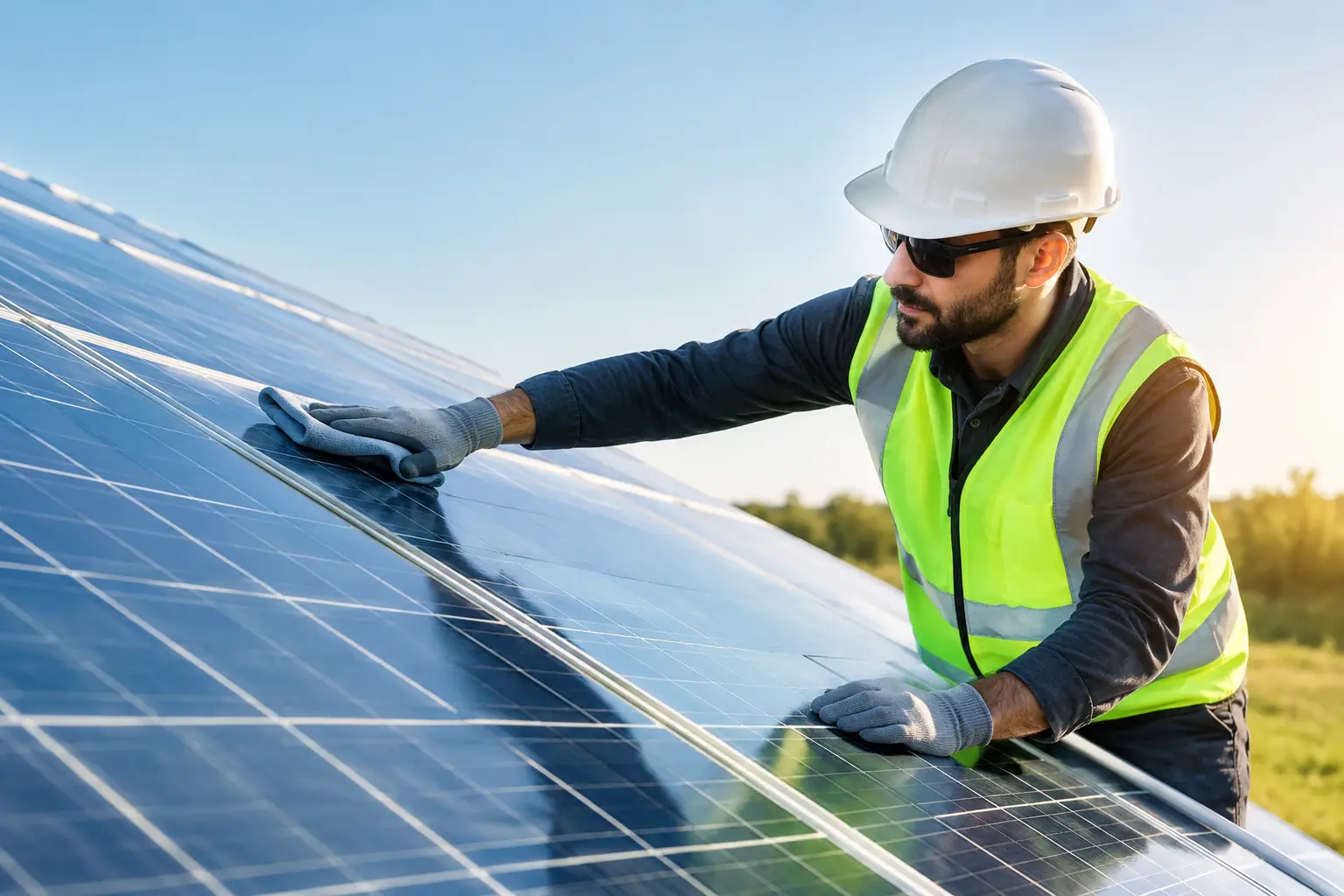
Panels do not need constant washing. In fact, unnecessary cleaning can add cost and create a roof-access risk without delivering a worthwhile gain. But targeted cleaning may be justified where there is visible contamination or production evidence that supports it.
Bird droppings are more than an appearance issue because they can create concentrated shading over individual cells. Thick grime, ash, pollen, salt residue or construction dust may also warrant attention. Cleaning should be undertaken with methods suitable for solar panels, and roof work should not be treated as a do-it-yourself job.
Testing protects output even when it does not raise it
Not every maintenance activity produces an immediate jump in the monitoring app. Anti-islanding inverter testing is a good example. Its purpose is to confirm that a grid-connected solar system disconnects safely when the grid supply is interrupted. This is a compliance and safety requirement designed to protect electrical workers and the network.
Anti-islanding testing does not, by itself, increase generation. However, it is a valuable opportunity to confirm inverter operation and identify concerns that need further attention. Required testing should not be delayed simply because the system appears to be generating normally.
A full system health check takes a broader view. It can assess visible equipment condition, inverter status, warning messages, isolators, cabling, panel condition and likely causes of poor performance. The result is a clear picture of whether the system is healthy, whether output concerns are genuine, and what should be repaired first.
How to tell if your system is underperforming
The most useful comparison is usually against your own history, not a neighbour’s system. Two similar-looking homes can have different panel sizes, orientations, consumption patterns and shading. Start by comparing the same month or season across previous years, allowing for significant weather differences.
A sudden sustained drop in production is more concerning than normal day-to-day movement. Check whether the inverter has recorded faults or whether the monitoring platform is missing data. Also consider recent hail, storms, roof works, tree growth or any changes around the property.
Signs that warrant an electrician-led inspection include repeated inverter errors, unexplained shutdowns, damaged panels, cracked isolator covers, corrosion, water staining near electrical equipment, exposed cables, burning smells or a major unexplained fall in generation. If there is any concern about damaged electrical equipment, do not touch switches, cables or rooftop components.
A sensible maintenance approach for existing solar
There is no single schedule that suits every solar system. A newer, easily monitored system with no faults may only need attention when required testing is due or when a production concern appears. An older system, a property exposed to hail, or a system with intermittent faults may benefit from a more thorough check sooner.
For most owners, the sensible approach is to monitor production regularly, respond promptly to fault messages, arrange required compliance testing, and book a health check after significant weather events or a noticeable drop in generation. This keeps maintenance focused on evidence and financial common sense.
A proper visit should give you more than a vague statement that the system is “fine”. You should understand what was inspected, whether any faults or deterioration were found, what work is recommended, and which issues are urgent versus simply worth watching. Clear repair planning helps you make decisions before a minor defect becomes an expensive outage.
The best time to investigate poor performance is when you first notice it, not after a year of lower bills credits. A qualified solar maintenance inspection can establish whether your system is producing what it reasonably should – and, where it is not, give you a practical path back to safer, stronger generation.
Leave a Reply