


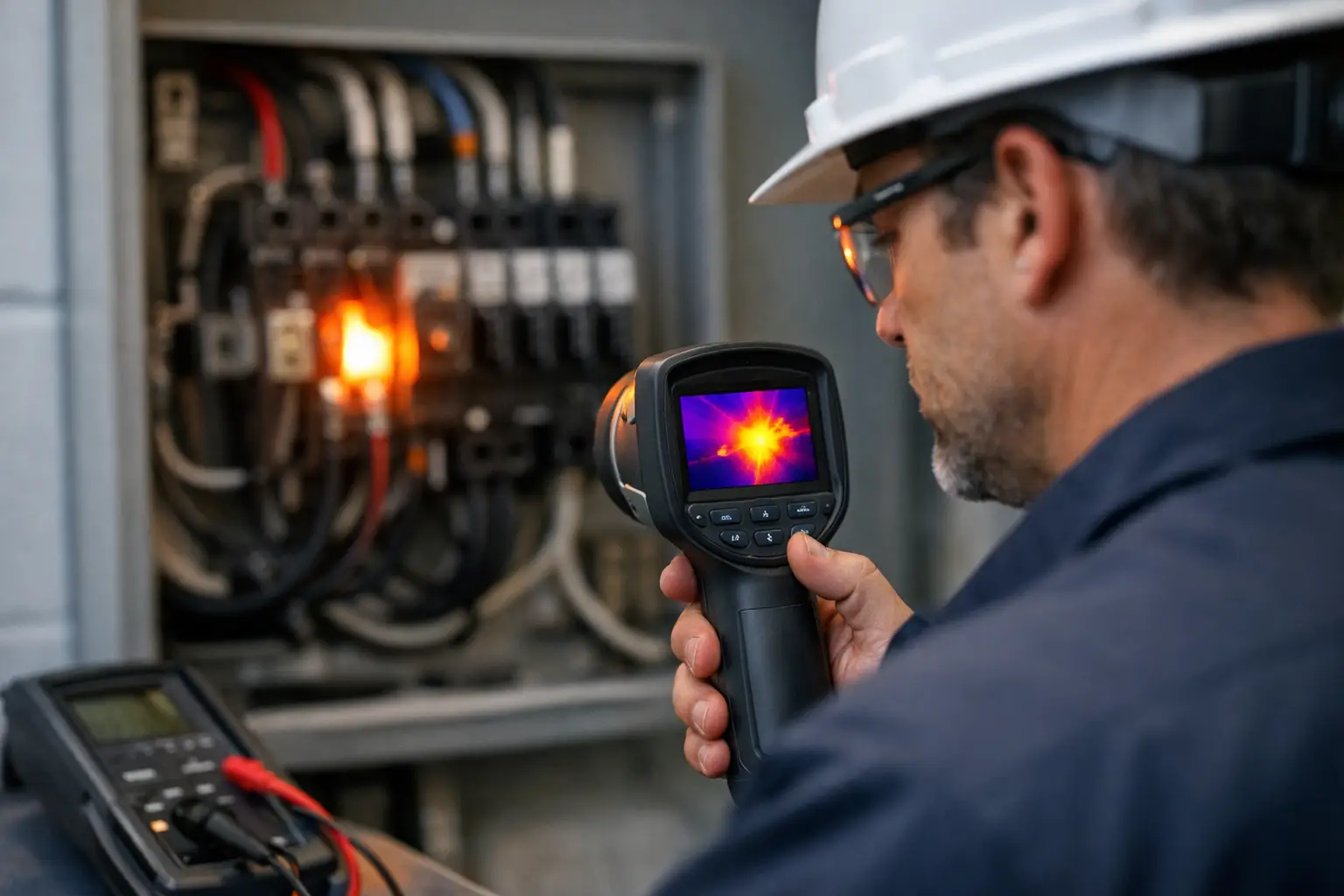
A solar system can look fine from the ground and still be losing money on the roof. That is exactly why panel hotspot inspection matters. Hotspots are localised areas of overheating in a solar panel, and they often point to cell damage, failed solder joints, shading issues, moisture-related faults or ageing components that are no longer performing as they should.
For many system owners, the first sign of a problem is a power bill that creeps up, lower-than-expected generation, or one panel string underperforming without any obvious reason. By the time a fault becomes visible, the system may have been running inefficiently for months. A targeted inspection helps find the issue earlier, before output loss turns into a more expensive repair.
What a panel hotspot inspection actually checks
A panel hotspot inspection is usually carried out with thermal imaging as part of a broader solar diagnostic process. The goal is not simply to look for a warm panel. It is to identify abnormal heat patterns that should not be there under normal operating conditions.
When a panel is healthy, its temperature profile is relatively even across the active cells, allowing for small variations due to weather, roof angle and irradiance. A hotspot stands out because one section of the module is significantly hotter than the surrounding area. That temperature difference can indicate that a cell or group of cells is under electrical stress.
The cause is not always the same. In one system, a hotspot may be linked to partial shading from debris or leaf build-up. In another, it may come from cracked cells after hail impact, degraded bypass diodes, manufacturing defects, or long-term weather exposure. That is why thermal imaging should be interpreted by someone who understands both the electrical side and the practical behaviour of rooftop solar systems.
A proper inspection also considers the rest of the system. If a panel is running hot because of a downstream wiring issue, connector resistance or an imbalance in the string, the thermal image is only one part of the answer. The value comes from tying that image back to testing and on-roof observations.
Why hotspots matter more than they seem
A hotspot is not just a cosmetic defect on a thermal camera image. It is usually a sign that a panel is no longer sharing electrical load evenly. That creates three very practical risks for a system owner.
The first is lost production. A panel with hotspot damage can drag down the output of the string it sits in, especially in older systems or systems with straightforward string inverter layouts. One weak panel can affect the performance of others connected with it.
The second is accelerated deterioration. Excess heat is hard on solar components. If a panel section is already overheating, continued operation can worsen the damage over time. What starts as a small defect may turn into a larger failure, delamination issue, burned connection or complete panel replacement.
The third is safety. Not every hotspot becomes a fire risk, but abnormal heat should never be ignored on an electrical asset exposed to sun, rain, wind and years of thermal cycling. If the heat source is linked to a faulty junction box, damaged connector or internal module fault, the system needs closer assessment.
For homeowners trying to protect their return on investment, that is the real point. A hotspot is often a symptom of a system no longer operating at its best, and the longer it is left alone, the less predictable both performance and repair cost become.
When a panel hotspot inspection is worth booking
Some systems need this type of inspection because there is already a clear problem. Others need it because the risk factors are there even if output has not dropped enough to be obvious yet.
If your system has been through a major hail event, strong storm activity or years of exposure without detailed maintenance, thermal inspection is sensible. The same applies if monitoring shows unexplained production loss, one inverter input behaving differently, or a string that seems inconsistent across similar weather conditions.
It is also worth considering for older systems where panel degradation, water ingress and connector wear become more likely with age. In Canberra and across the ACT, seasonal temperature swings can be hard on rooftop equipment. Expansion, contraction and weather exposure add up over time.
Another common scenario is when owners are already arranging anti-islanding inverter testing or a broader health check. That is often the right time to assess panel condition as well, because electrical compliance and generation performance should be looked at together, not as separate issues.
What the inspection process should include
The best inspections are methodical. A thermal image on its own is useful, but it should not be treated as the whole diagnosis.
A sound process usually starts with a visual assessment of the array. That includes checking for obvious panel damage, staining, delamination, debris build-up, signs of moisture ingress, loose mounting components and cable routing concerns. Physical clues often help explain what the thermal camera later shows.
Thermal imaging is then carried out under conditions that make results meaningful. Panel temperature patterns can be distorted by cloud cover, low irradiance, wind and recent rain, so timing matters. The aim is to inspect when the array is operating properly and abnormal heating can be identified with confidence.
From there, findings should be compared against system layout, string configuration and performance data where available. If a hotspot is found, the next question is whether it is isolated to a single module, related to shading, or part of a wider fault pattern. That is the difference between merely spotting heat and actually diagnosing the problem.
In many cases, electrical testing is also needed. Insulation resistance, string checks, connector condition and inverter behaviour may all help confirm whether the hotspot is a panel fault or part of a larger issue. This is where electrician-led inspection matters. The result should be a clear explanation of what was found, how serious it is and what action makes financial sense.
Not every hotspot means immediate replacement
This is where experience counts. Some hotspots point to clear panel failure and the panel should be isolated or replaced as soon as practical. Others need monitoring, further testing or a staged repair approach depending on severity, age of the system and how the array is configured.
For example, if the fault is tied to temporary shading or surface contamination, the solution may be straightforward. If the hotspot is caused by internal cell damage in an older module with no realistic warranty path, replacement is often the sensible option. If multiple panels show similar thermal behaviour, it may indicate broader degradation and call for a bigger maintenance plan.
There is no benefit in overselling the problem, and there is no benefit in pretending it will sort itself out. The right advice depends on safety, output loss, system age, replacement availability and whether the rest of the installation remains in good condition.
Why this inspection works best as part of ongoing solar maintenance
Most rooftop solar faults do not announce themselves dramatically. They build slowly. Output drifts down, one component starts running hotter, moisture works its way into vulnerable points, and the owner only notices when bills stop matching expectations.
That is why panel hotspot inspection works best as part of regular system care rather than a once-off reaction. A scheduled check gives you a baseline for panel condition and helps catch changes early. It also gives context to other maintenance decisions, whether that involves inverter testing, fault finding, isolator checks or planning repairs after storm damage.
For owners who rely on solar to offset household or small property electricity costs, maintenance is not about ticking a box. It is about protecting generation and avoiding preventable losses. A system that is left alone for too long can still be operating, but not efficiently and not necessarily safely.
If a hotspot is present, finding it early gives you options. You can assess the fault properly, decide whether repair or replacement is justified, and avoid guessing while the system keeps underperforming.
A roof full of panels should be earning its keep. If there is any sign your system is not producing as it should, a proper inspection is often the fastest way to replace uncertainty with a clear answer.
Leave a Reply